Sleep disorders are an important part of neurology examinations as they require a strong knowledge of complex diagnostic studies such as EEG, and also of a multitude of medications. In this chapter, you will learn sleep waveforms using real EEG tracings, and review high-yield treatments for sleep disorders. Test your knowledge at the end with practice questions and flashcards!
Authors: Jody Manners MD, Brian Hanrahan MD
Phases of Sleep
Wakefulness
- Characterized by alpha frequency activities, sporadic eye movements, and a posteriorly dominant alpha rhythm that attenuates with eye-opening.
NREM sleep
- Stage N1 (5%): Attenuation of the alpha rhythm, the emergence of theta activity, and slow rolling eye movements.
- Frontocentral beta activity can increase.
- Young adults spend the least amount of time in NREM stage 1 sleep.
- Stage N2 (45-55%):
- The stage at which adults spend the most time during normal sleep.
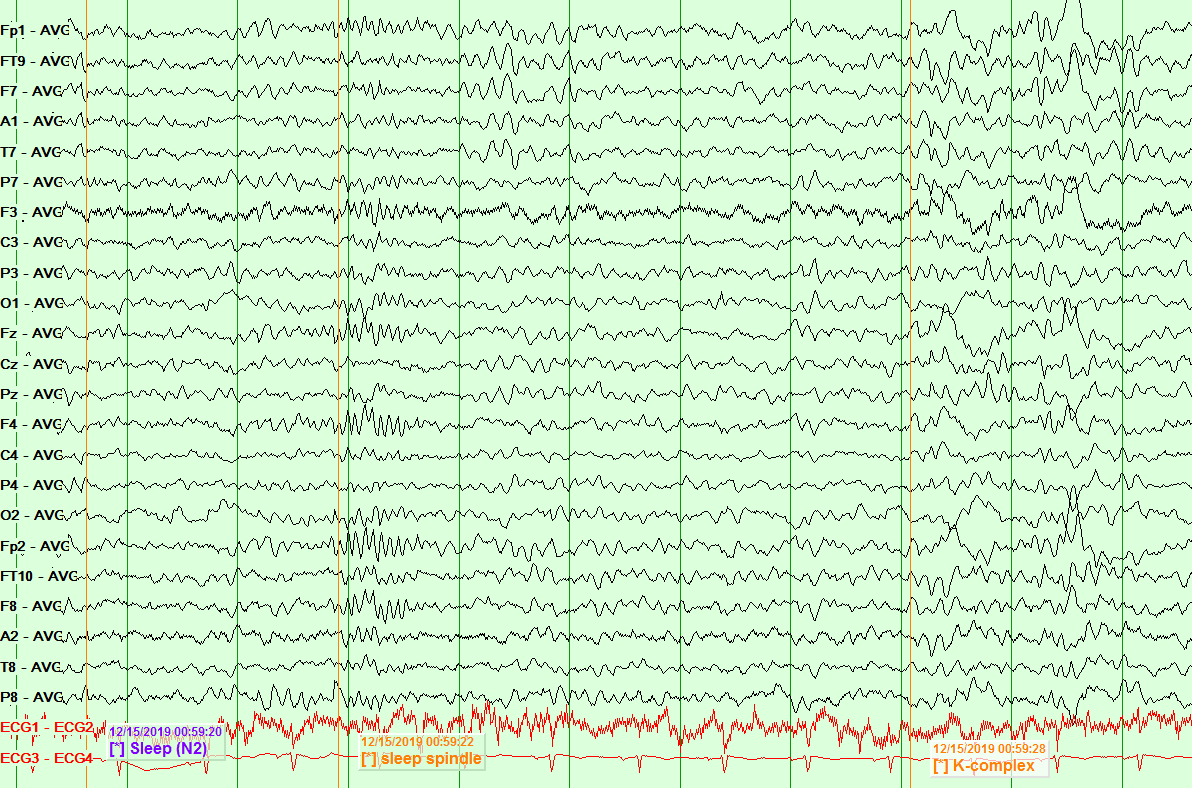
- Characterized by the presence of either sleep spindles and/or K-complexes with theta range background activity.
- Stage N3 (15-20%):
- a.k.a “deep sleep” or “slow-wave sleep” (no longer called “stage 4 sleep”)
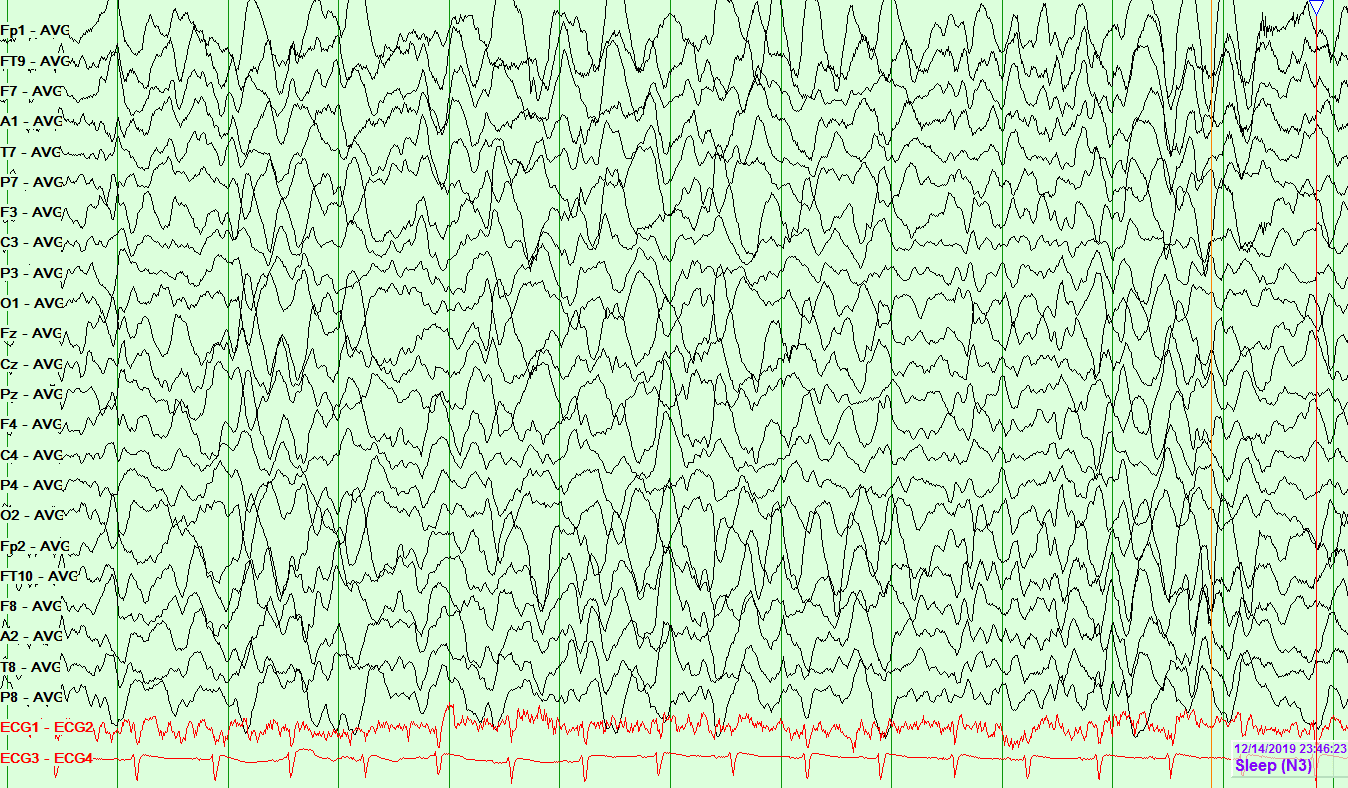
- EEG will show slow-waves and high amplitude delta waves.
- Parasomnias tend to occur during this stage.
REM sleep
- 20-25% of sleep.
- Normally occurs ~90 minutes into sleep.
- Characterized by a desynchronized low voltage, high-frequency background.
- There will be decreased EMG activity (REM atonia).
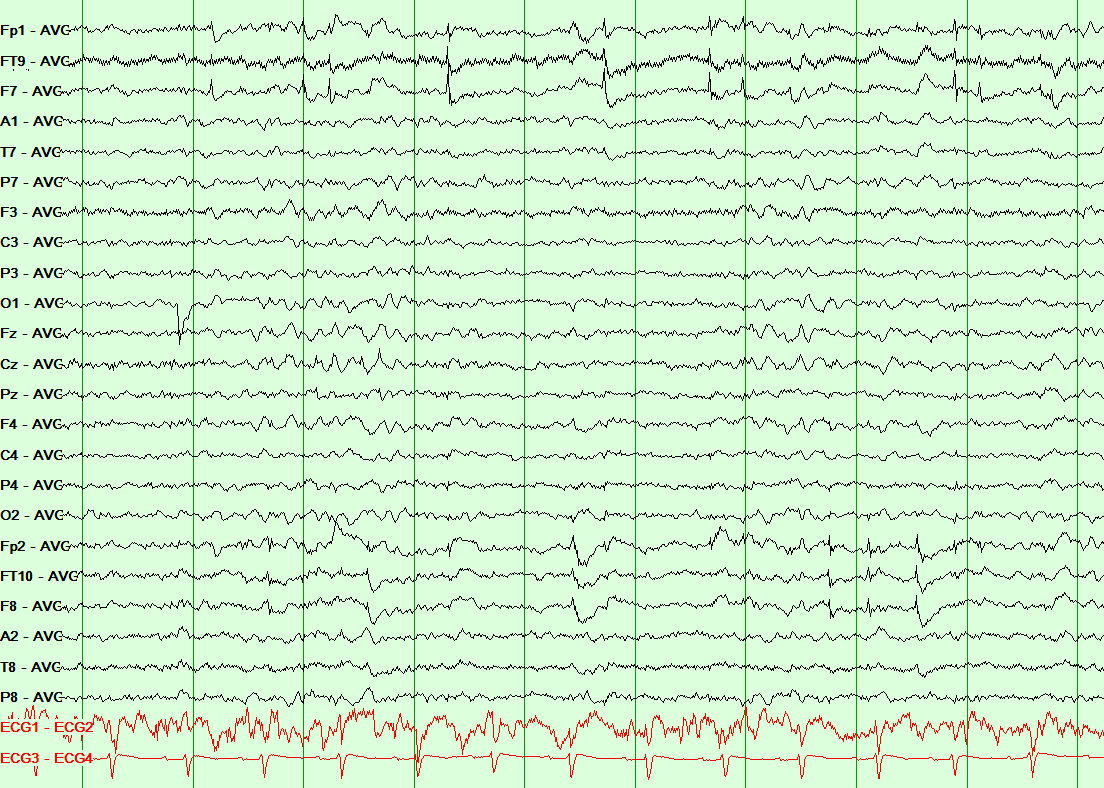
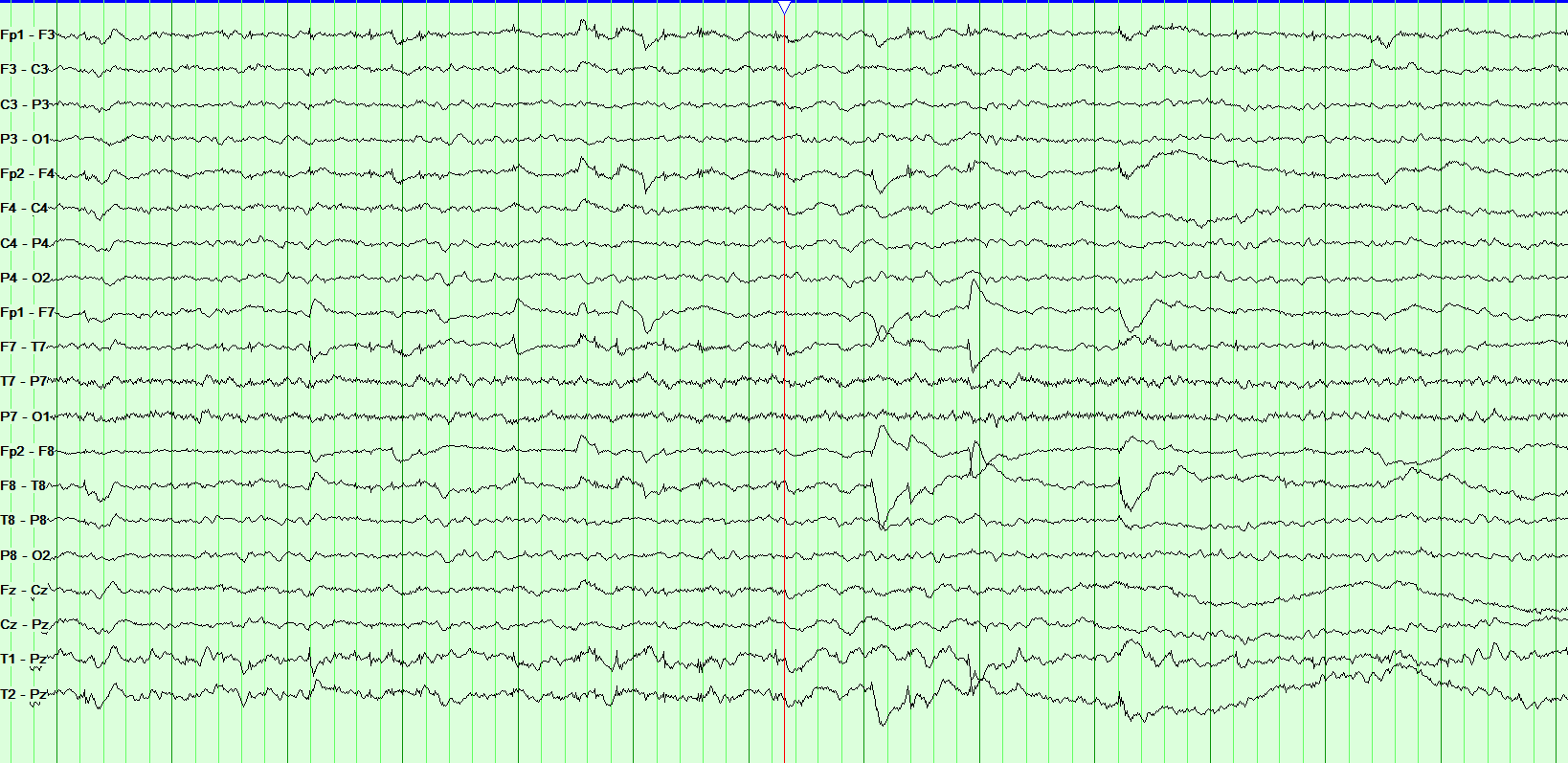
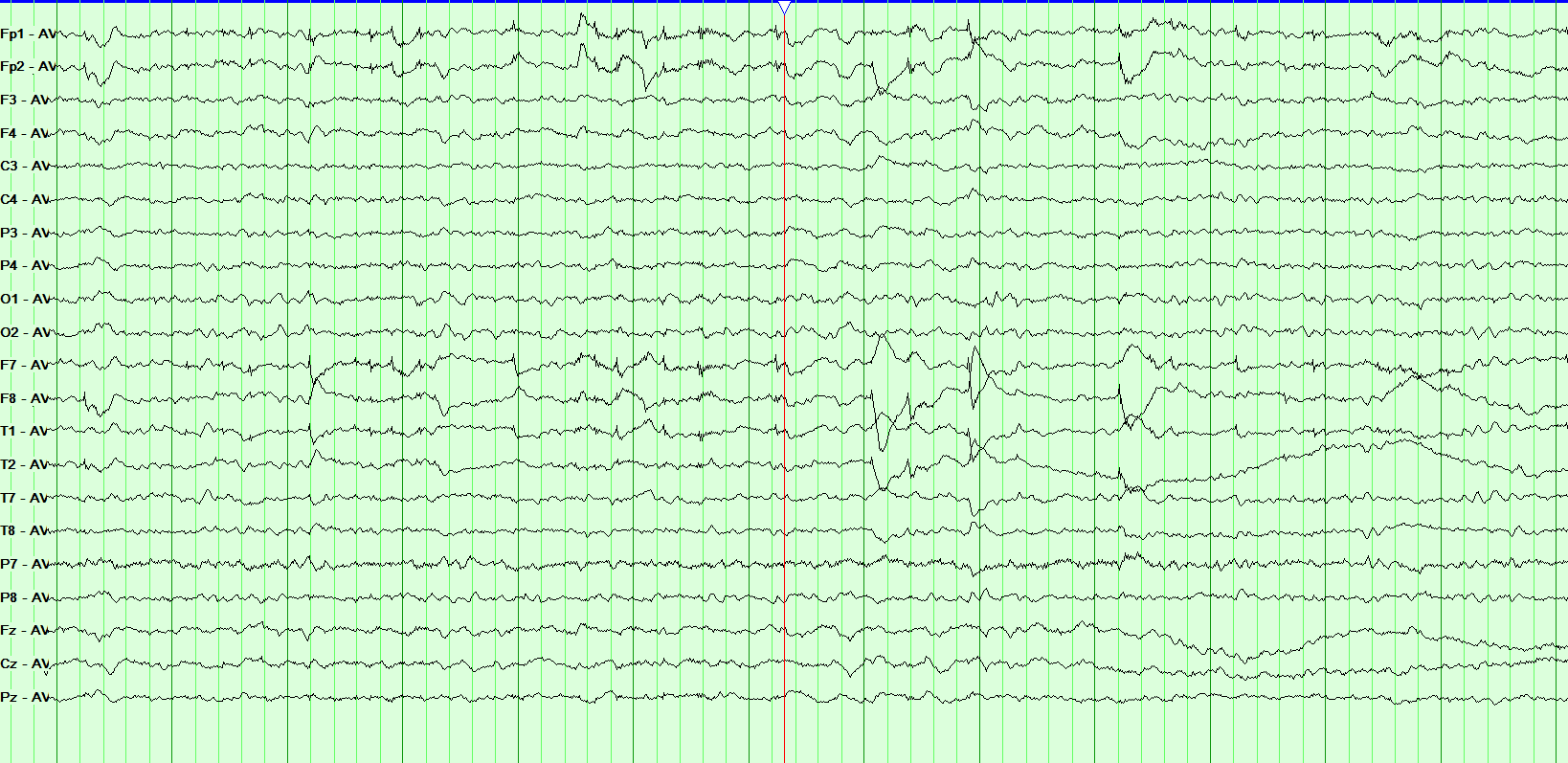
- Sharply peaked irregular eye movements with lateral rectus spikes (see below) can be seen ON eeg. Note the lack of muscle artifact.
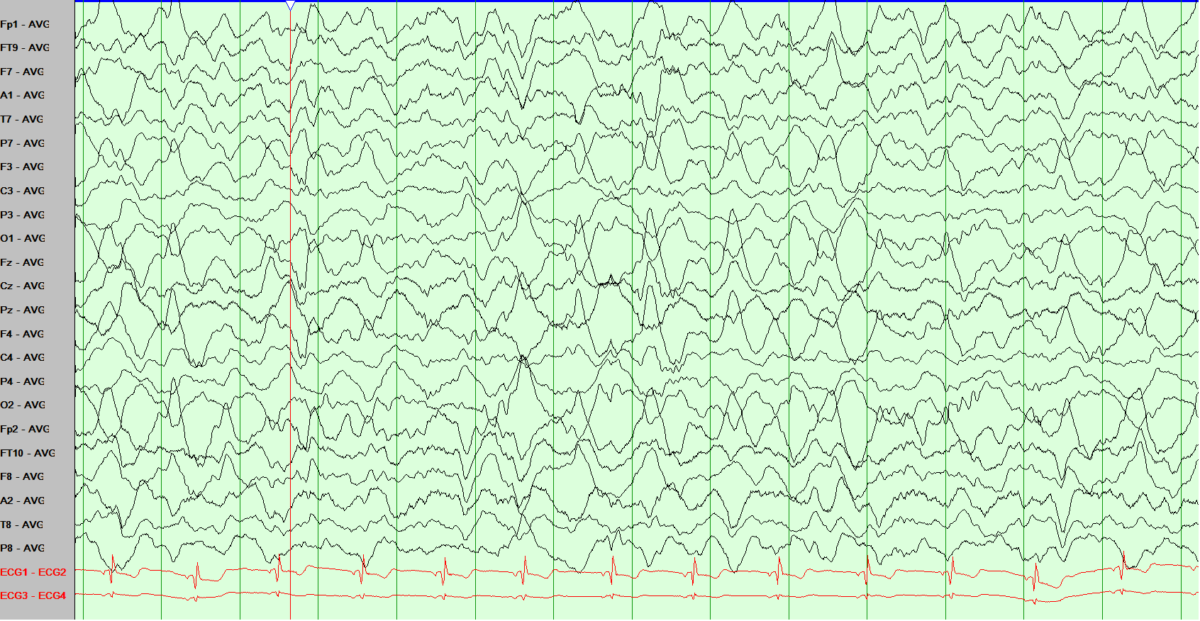
EEGs of Awake, Drowsy, and Sleep Stages:
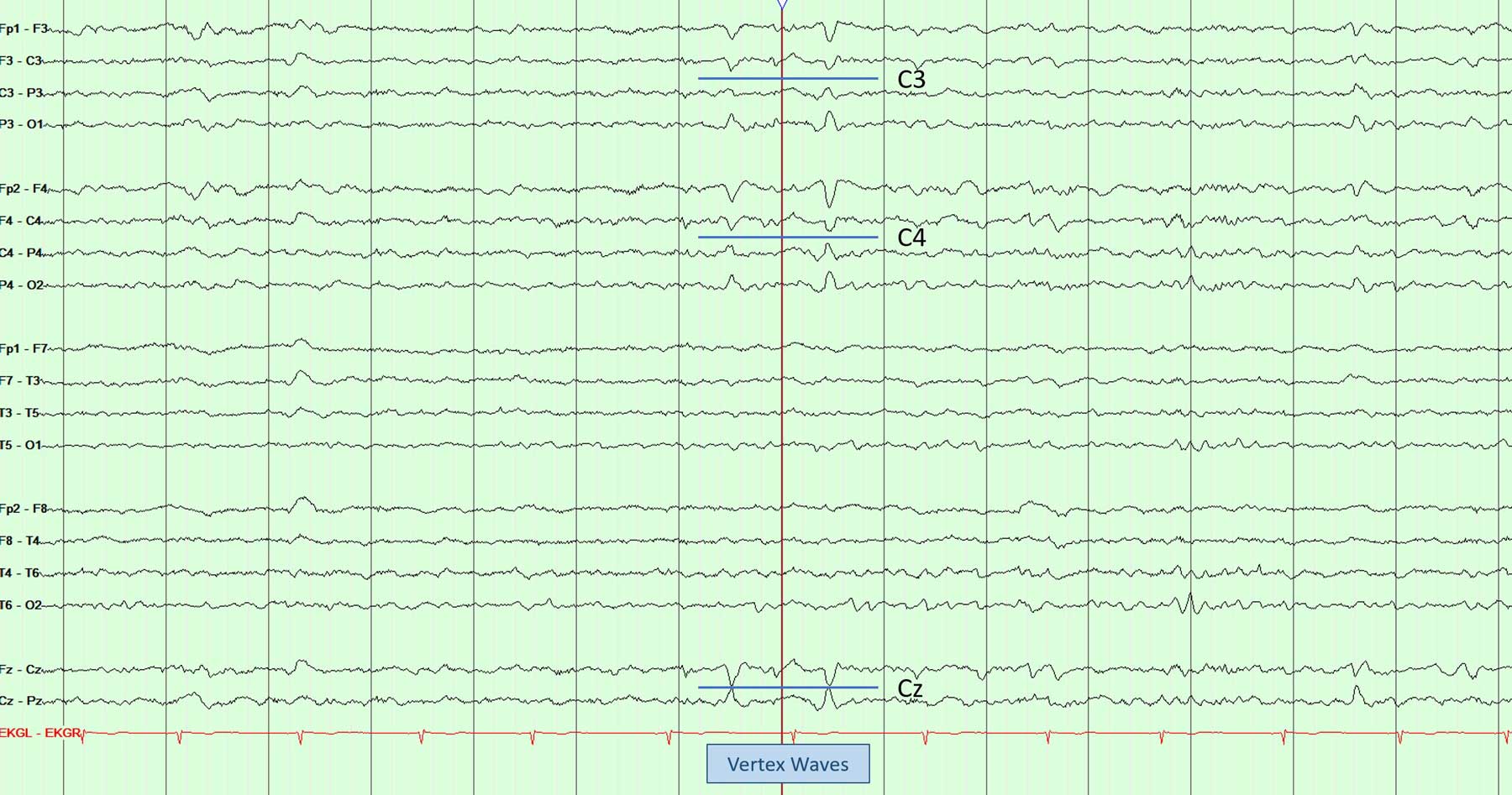
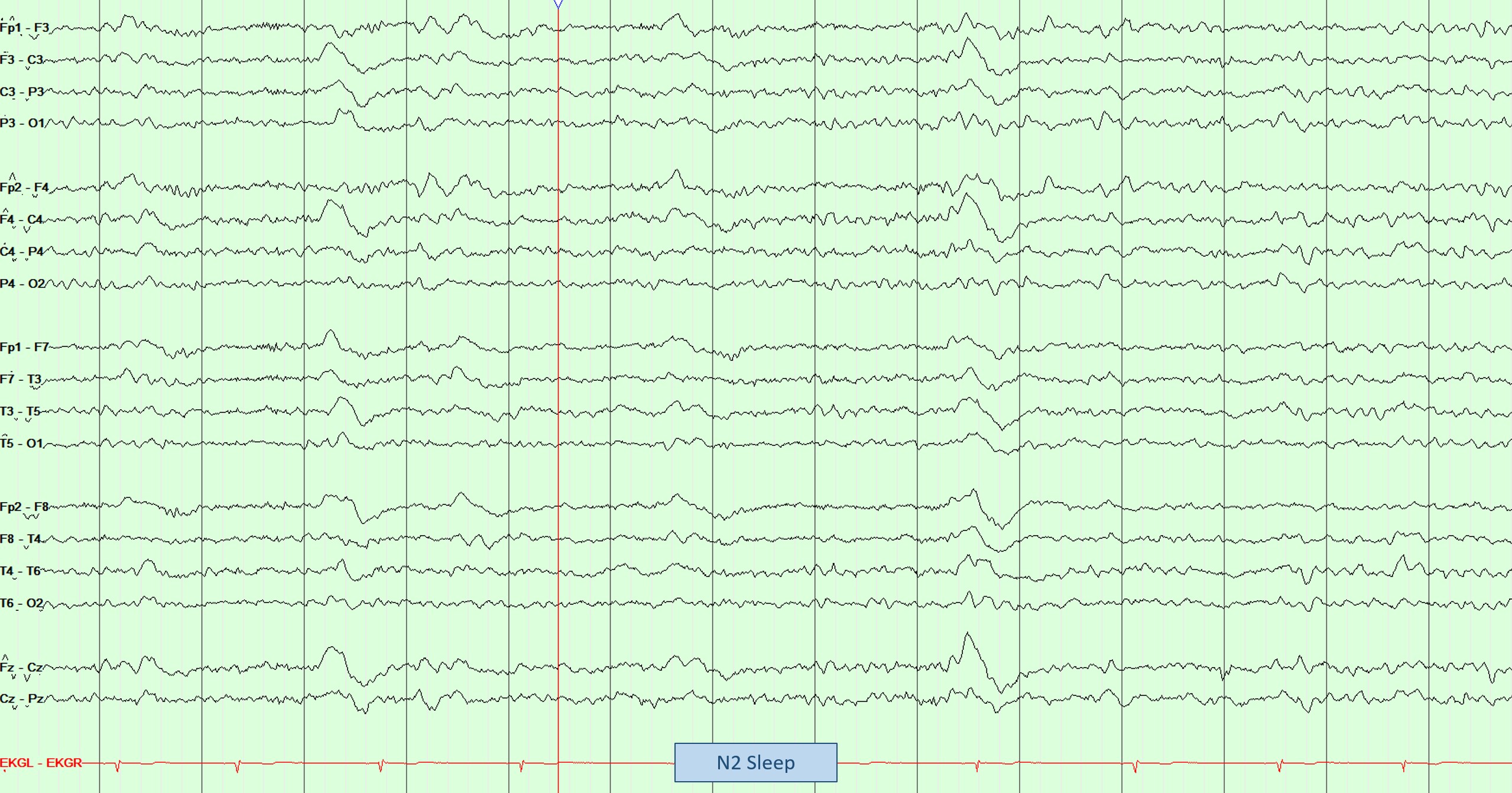
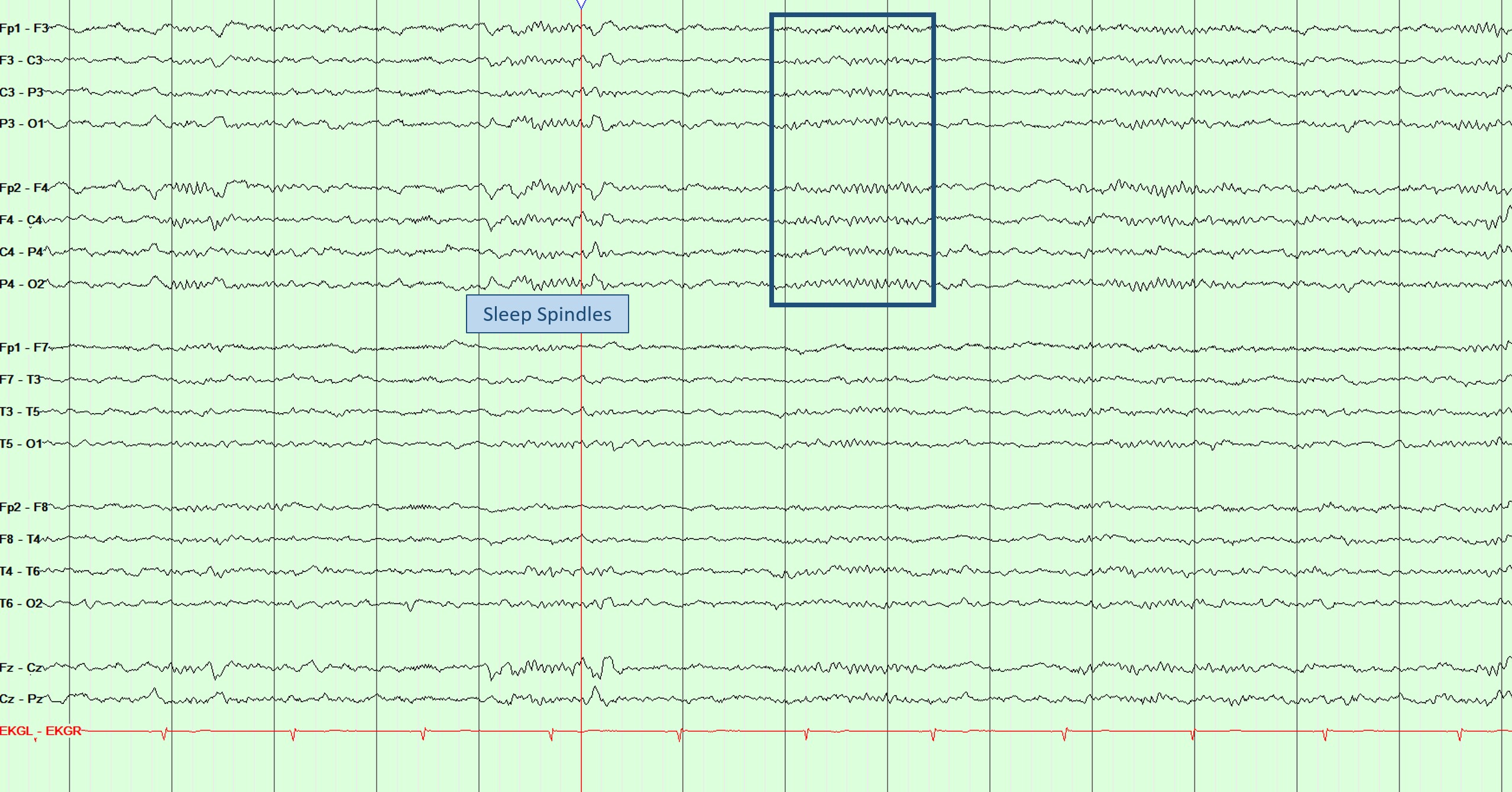
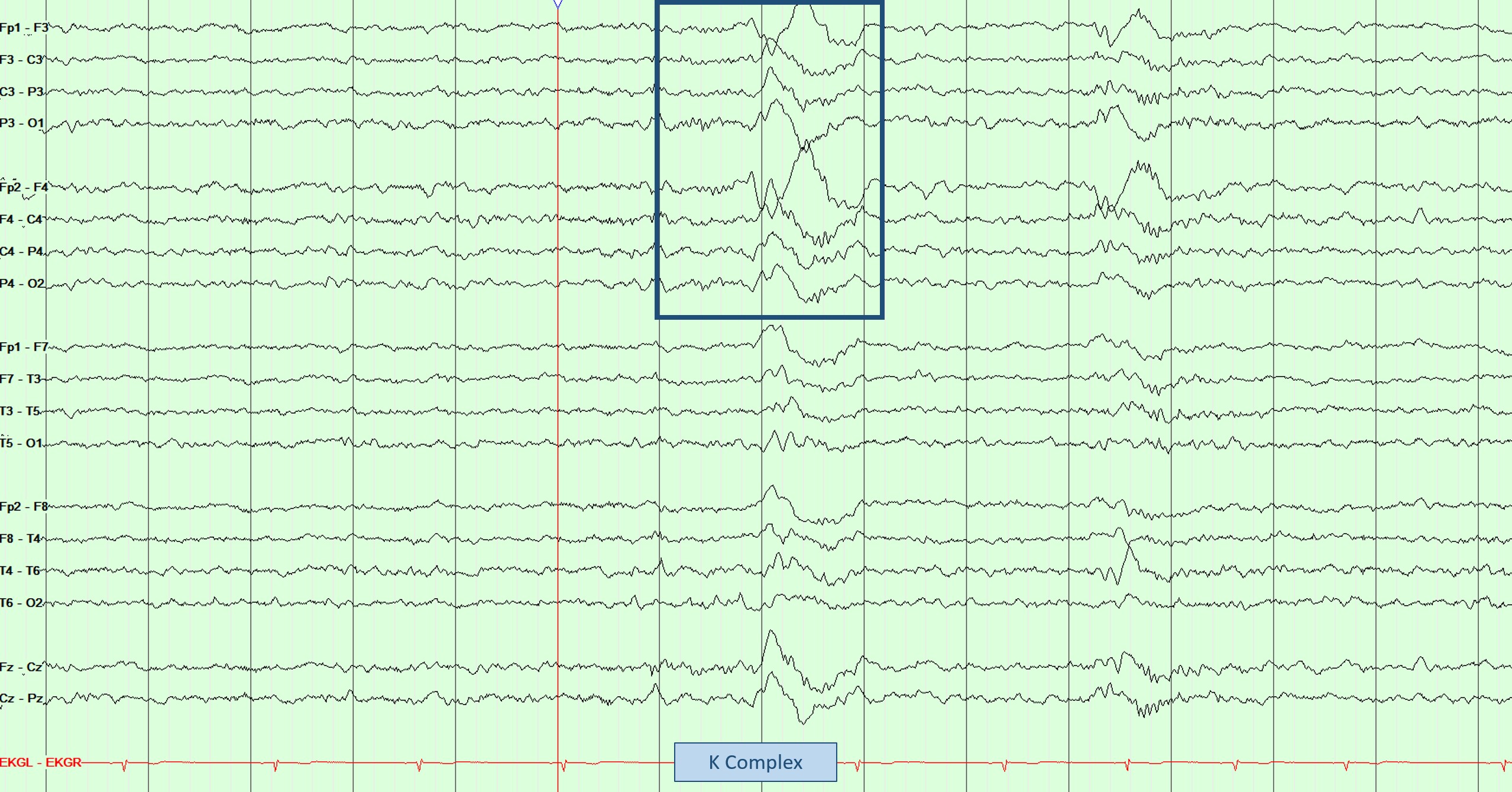


Diagnostic Sleep Studies
- Polysomnography (PSG): Incorporates multiple modalities (EEG, EKG, plethysmography, EMG, etc.) to quantify the amount of time spent in various stages of sleep during the night and to document clinically relevant events such as cardiopulmonary abnormalities or sleep-related abnormal motor activity.
- Useful in the evaluation of sleep-related breathing disorders, parasomnias, and sleep-related movement disorders.
Insomnia
Psychological insomnia
Also known as psychophysiological insomnia,
The most common types of chronic insomnia, due to a heightened level of arousal or anxiety about sleep.
- Patients often complain about having a “racing mind” and have more difficulty falling asleep than staying asleep
- Treatment:
- Cognitive behavioral therapy
Sleep hygiene insomnia
- Symptoms include difficulty falling asleep, difficulty staying asleep, or non-restorative sleep.
- Risk factors: irregular sleep schedules, staying in bed when not sleepy, daytime napping, exposure to screens before bedtime (leading to blue light exposure), consumption of caffeine or alcohol close to bedtime, engaging in stimulating activities before sleep, sleeping in an environment not conducive to sleep (e.g., too much light, noise, or a uncomfortable temperature), and lack of physical activity.
Pharmacological treatment for insomnia
- Natural Products
- Melatonin
- Helps adjust the circadian rhythm.
- Should be considered first-line for patients with cognitive impairment, sleep apnea, and a fall risk.
- Melatonin
- Non-Benzodiazepine Hypnotics (also known as “Z-drugs”):
- Zolpidem
- Eszopiclone
- Zaleplon
- Benzodiazepines:
- Temazepam
- Triazolam
- Estazolam
- Flurazepam
Melatonin Receptor Agonists:
- Ramelteon
- Tasimelteon
- Orexin Receptor Antagonists:
- Suvorexant
- Lemborexant
- Should be avoided in patients with narcolepsy!
Sedating Antidepressants:
- Trazodone
- Doxepin
- Amitriptyline
- Mirtazapine
Antihistamines:
Diphenhydramine
Doxylamine
Sleep-related Breathing Disorders
Sleep Apnea
- Cessation of airflow for greater than or equal to 10 seconds is the definition of apnea. Sleep apnea causes frequent arousals from sleep, poor quality sleep, excessive daytime sleepiness (EDS), and impaired cognition.
- Central sleep apnea: Nocturnal desaturations due to impaired ventilatory drive. Secondary causes include stroke, heart failure, and chronic opioid use.
- Obstructive sleep apnea (OSA): Nocturnal desaturations due to collapse of the upper airway causing obstructed airflow, frequent arousals, poor quality sleep, and excessive daytime sleepiness (EDS). Snoring, high body mass index (BMI), and large neck circumference are commonly seen with OSA.
- Obstructive sleep apnea treatment:
- Continuous positive airway pressure (CPAP) is the first-line therapy for obstructive sleep apnea.
- Supplemental oxygen is NOT an effective treatment
- Weight loss should also be encouraged.
- Surgical approaches like mandibular advancement or uvulopalatopharyngoplasty can be considered in refractory cases.
- Mouthguards may help those with mild symptoms.
- Continuous positive airway pressure (CPAP) is the first-line therapy for obstructive sleep apnea.
Disorders of Hypersomnolence
Narcolepsy
- Symptoms typically occur in the second or third decade of life.
- Occasionally will have concurrent cataplexy: Hypotonic events triggered by a strong emotion such as laughter, fright, or excitement. Consciousness is retained. Hypnagogic hallucinations, sleep paralysis, and fragmented sleep may also be present.
- Patients with narcolepsy with cataplexy display significantly lower levels of hypocretin in the CSF.
- Hypocretin is produced by the lateral hypothalamus.
Parasomnias
- Defined as complex movements and/or behaviors during sleep.
Non-REM parasomnias
- Somnambulism (sleepwalking)
- Sleep-related eating disorder
- Sleep terrors
- Presents as an agitated arousal, usually within the first hour of falling asleep.
- Seen predominantly in children.
- Reassurance to worried parents is the most appropriate treatment.
REM sleep parasomnias
- REM behavior disorder: Characterized by vivid dreams and abnormal motor activity during REM sleep due to the lack of muscle atonia.
- Sometimes these movements can cause sleep disruption or injuries to the patient or bed partner.
- Commonly seen with α-synucleinopathies (PD, LBD, MSA) and can even predate the clinical features of these neurodegenerative diseases.
- Treatment: Melatonin or long-acting benzodiazepines like clonazepam.
- Medications to avoid: Monoamine oxidase inhibitors, tricyclic antidepressants, and SSRIs/SNRIs.
- Recurrent isolated sleep paralysis
- Nightmare disorder
Other parasomnias
- Sleep enuresis
- Also known as bedwetting.
- Diagnosed when children are above 5 years old.
- Presents with urinating while sleeping at least twice a week for three or more months.
- Treatment: behavioral interventions (first-line), enuresis alarm, pharmacotherapy (desmopressin, imipramine) when behavioral interventions have failed.
- Pharmacotherapy has a higher rate of relapse.
- Most children grow out of sleep enuresis.
- Sleep-related hallucinations
Sleep-related Movement Disorders
Restless leg syndrome (RLS)
- Characterized by an unpleasant or uncomfortable sensation in the extremities that occurs before sleep and is associated with a strong urge to move the limbs. Movement or stretching results in a transient relief of symptoms.
- Diagnostic criteria:
- Undesirable sensations in the legs that occur before sleep onset.
- Irresistible urge to move the limbs.
- Partial or complete relief of the symptoms with movement of the limbs
- Return of symptoms on cessation of the movements.
- Can be related to iron deficiency, pregnancy, uremia, end-stage renal disease, caffeine use, or peripheral neuropathy.
- The initial evaluation should include a serum ferritin level.
- Treatment:
- Oral iron supplements if serum ferritin levels are <75 μg/L.
- alpha2delta ligand gabapentinoids (gabapentin, pregabalin) are first-line, while dopaminergic medications (pramipexole, ropinirole, bromocriptine, and levodopa) are second-line therapy. Opiates and benzodiazepines may also be considered.
- Antidepressants (except for bupropion), antipsychotics, and anti-dopaminergic agents have been reported to worsen RLS.
- Dopamine agonists such as ropinirole and pramipexole may produce sudden irresistible attacks of sleep while driving.
Sleep Phase Disorders
- A group of sleep-related disorders in which a patient’s sleep cycle is pathologically shifted in one direction or another.
- Delayed sleep phase disorder: Presents as late sleep-onset times and late rise times. Most common in adolescents.
- Advanced sleep phase disorder: Excessive evening sleepiness and early wake times.
- Shift work disorder: Commonly seen in patients who work erratic shift work. Think the resident with Q3day 24-hour call!
- Irregular sleep-wake rhythm disorder: Seen in patients who sleep an appropriate amount of time but do so in fragments over a 24 hour period leading to daytime sleepiness and nighttime arousal.
References
- Allen RP, Picchietti D, Hening WA, Trenkwalder C, Walters AS, Montplaisi J, et al. Restless legs syndrome: Diagnostic criteria, special considerations, and epidemiology. A report from the restless legs syndrome diagnosis and epidemiology workshop at the National Institutes of Health. Sleep Med 2003;4:101-19.
- Anders, Thomas F., and Lisa A. Eiben. “Pediatric Sleep Disorders: A Review of the Past 10 Years.” Journal of the American Academy of Child & Adolescent Psychiatry, vol. 36, no. 1, 1997, pp. 9–20., doi:10.1097/00004583-199701000-00012.
- Berry, Richard B., et al. “The AASM Manual for the Scoring of Sleep and Associated Events: Rules, Terminology and Technical Specifications: Version 2.3”. American Academy of Sleep Medicine, 2016.
- Boeve, Bradley F., et al. “Association of REM Sleep Behavior Disorder and Neurodegenerative Disease May Reflect an Underlying Synucleinopathy.” Movement Disorders, vol. 16, no. 4, 2001, pp. 622–630., doi:10.1002/mds.1120.
- Earley, Christopher J. “Restless Legs Syndrome.” New England Journal of Medicine, vol. 348, no. 21, 2003, pp. 2103–2109., doi:10.1056/nejmcp021288.
- Littner, Michael R., et al. “Practice Parameters for Clinical Use of the Multiple Sleep Latency Test and the Maintenance of Wakefulness Test.”Sleep, vol. 28, no. 1, 2005, pp. 113–121., doi:10.1093/sleep/28.1.113.
- Louis, Erik St., et al. “Electroencephalography (EEG): An Introductory Text and Atlas of Normal and Abnormal Findings in Adults, Children, and Infants.” 2016, doi:10.5698/978-0-9979756-0-4.
- Mccarter, Stuart J., et al. “Treatment Outcomes in REM Sleep Behavior Disorder.” Sleep Medicine, vol. 14, no. 3, 2013, pp. 237–242., doi:10.1016/j.sleep.2012.09.018.
- Thorpy, Michael. “International Classification of Sleep Disorders.” Sleep Disorders Medicine, 2017, pp. 475–484., doi:10.1007/978-1-4939-6578-6_27.
- Silber, Michael H., et al. “The management of restless legs syndrome: an updated algorithm.” Mayo Clinic Proceedings. Vol. 96. No. 7. Elsevier, 2021.
Log in to View the Remaining 60-90% of Page Content!
Important: If you signed up after 1/1/2026, or if you opted to migrate your old account to the new & improved platform (same great content, better experience), please log in at nowyouknowmed.com
New here? Get started!
(Or, click here to learn about our institution/group pricing)1 Month Plan
Full Access Subscription-
Access to full question bank
-
Access to all flashcards
-
Access to all chapters & site content
3 Month Plan
Full Access Subscription-
Access to full question bank
-
Access to all flashcards
-
Access to all chapters & site content
1 Year Plan
Full Access Subscription-
Access to full question bank
-
Access to all flashcards
-
Access to all chapters & site content