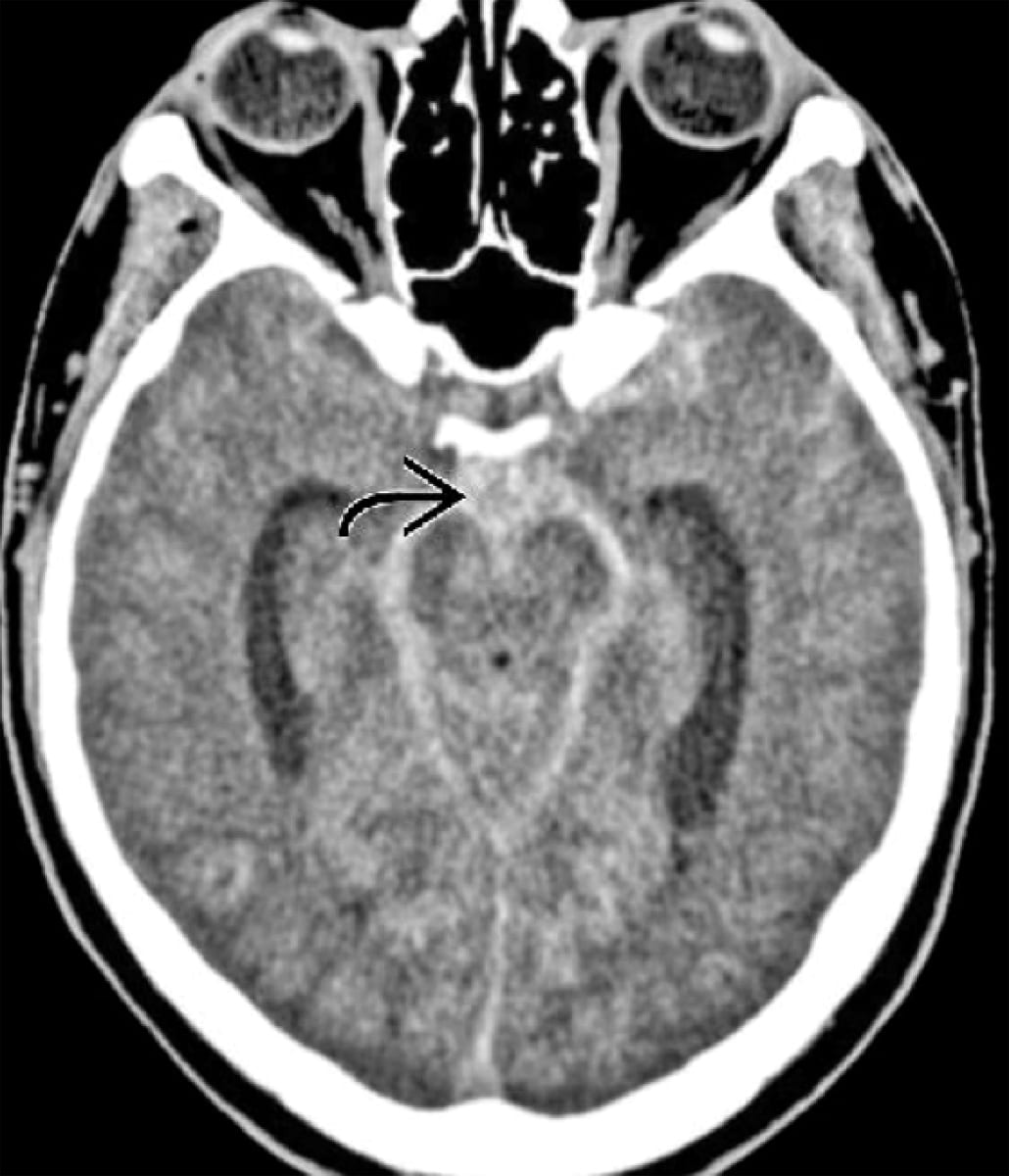
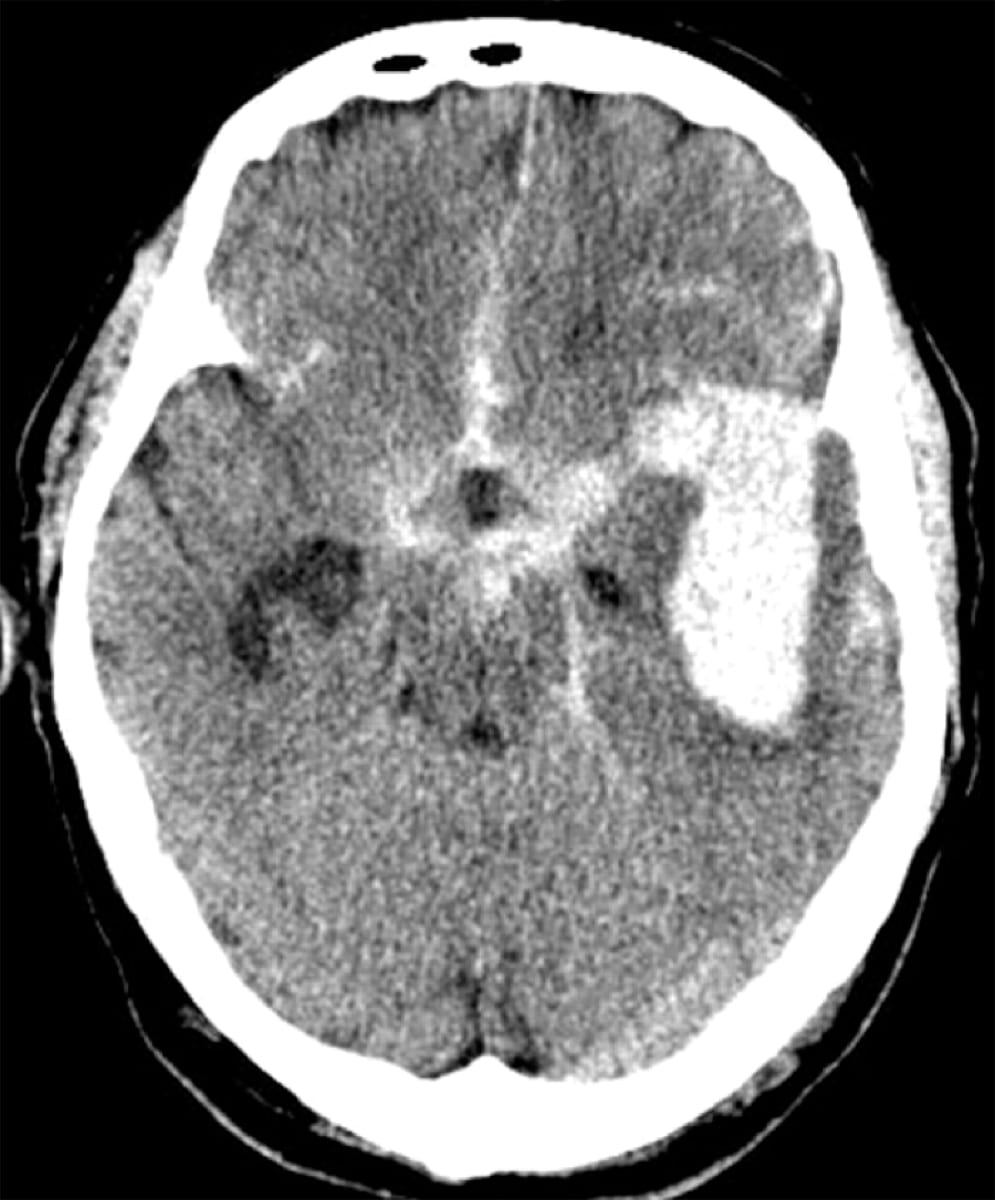
Headache is one of the top 10 reasons people in the U.S. go to the doctor. With a prevalence this high, it is no surprise that all neurology exams have multiple questions on headache. There are nuances to headache diagnoses that neurologists must understand, and that test writers love to bring up. In this chapter, you will review the most commonly tested headache types, imaging, and treatments.
Authors: Andrew Levin MD, Brian Hanrahan MD, Steven Gangloff MD
Primary Headache Disorders
Migraine
- Epidemiology:
- Pediatric: Slightly more common in boys
- After puberty: 3x more common in women (18% vs 6%)
- No gender predilection after age 65
- Diagnostic criteria:
A. At least 5 attacks
B. Headaches lasting 4-72 hours
C. At least two of the following characteristics:
1. Unilateral symptoms
2. Pulsing/throbbing quality
3. Moderate/severe pain intensity
4. Worsened pain with activity.
D. At least one of the following:
1. Nausea/vomiting
2. photophobia/phonophobia.
A. At least two attacks fulfilling criteria B and C
B. One or more of the following fully reversible aura symptoms:
1. Visual
2. Sensory
3. Speech and/or language
4. Motor
5. Brainstem
6. Retinal
C. At least three of the following six characteristics:
1. At least one aura symptom spreads gradually over ≥5 minutes
2. Two or more aura symptoms occur in succession
3. Each individual aura symptom lasts 5-60 minutes
4. At least one aura symptom is unilateral
5. At least one aura symptom is positive
6. The aura is accompanied, or followed within 60 minutes, by headache
- At least two auras, one of which is fully reversible motor weakness.
- Can be sporadic or familial.
- Familial Type 1: Caused by an autosomal dominant mutation to CACNA1a gene (P/Q calcium channel) on chromosome 19.
- CACNA1a gene mutations can also cause episodic cerebellar ataxia.
- Familial Type 2: Associated with ATP1A2 (Na-K ATPase channel) on chromosome 1.
- Familial Type 3: Mutation to SCN1a on chromosome 2.
- SCN1a gene mutations can also cause genetic epilepsy with febrile seizures plus (GEFS+) and Dravet syndrome.
- Formerly called “basilar” migraine
- At least two brainstem symptoms for aura:
1. dysarthria
2. vertigo
3. tinnitus
4. hyperacusis
5. diplopia
6. ataxia
7. decreased level of arousal
- Migraine with ≥15 headache days a month, for >3 months.
- The only FDA-approved medication for chronic migraine is botulinum injection (onabotulinumtoxinA).
- Migraine with visual symptoms, such as flashing or shimmering lights.
- It will sound very similar to migraine with aura, except the visual disturbance is monocular.
- Pathophysiology:
- Release of vasoactive peptides (calcitonin gene-related peptide (CGRP), neurokinin A, substance P).
- Vasodilation and sterile inflammation in dural vessels, leading to activation of first-order trigeminal afferents which presents clinically by throbbing head pain.
- The migraine aura occurs due to spreading depolarilzations.
Abortive Migraine Treatment
- Abortive migraine therapy should be considered in patients with severe headache episodes regardless of frequency.
Triptans:
- First-line therapy with Level A evidence.
- Mechanism of action: Agonists at 5HT-1B (meningeal blood vessel constriction) and 5HT-1D (prevents nociceptive neuropeptide release).
- Contraindicated in patients with a history of coronary artery disease, stroke, hemiplegic migraine and migraine with brainstem aura.
- Common side effects: drowsiness, a sensation of warmth, paresthesias, dizziness, and nausea.
- Sumatriptan
- Zolmitriptan
- Rizatriptan
- Almotriptan
- Eletriptan.
- Naratriptan
- Frovatriptan
- Has the longest half-life (25h) and used often in patients for menstrual-related migraines.
Ditans (Lasmiditan):
- Mechanism of action: 5HT-1F receptor agonism (receptors on trigeminal ganglion)
- Lasmiditan (oral tablet) is the only drug currently on the market.
- Not contraindicated for patients with coronary artery disease or stroke.
CGRP antagonists (Rimegepant, Ubrogepant):
- Mechanism of action: Inhibition of CGRP receptors.
- Side effects may include nausea, tiredness, and dry mouth.
- Ubrogepant is contraindicated with concomitant use of strong CYP3A4 inhibitors (clarithromycin, ketoconazole, itraconazole, etc.)
NSAIDs: ibuprofen, ketorolac, naproxen, flurbiprofen, diclofenac
Anti-emetics: prochlorperazine, metoclopramide, promethazine
Prophylactic Migraine Treatment
- Prophylactic migraine therapy is indicated when symptoms occur more than 4 headaches, or 8 headache days, a month.
- Metoprolol (level A evidence)
- Propranolol (level A evidence)
- Timolol (level A evidence)
- Nadolol (level B evidence)
- Atenolol (level B evidence)
Should be avoided in patients with asthma and Raynaud’s phenomenon.
- Topiramate (level A evidence): One of the most common first-line therapies. Side effect profile includes calcium phosphate stones, paresthesias, cognitive symptoms, fatigue, and weight loss. (Level A evidence)
- Risk for cleft lip and low birth weight if used during pregnancy.
- Valproic acid (level A evidence): Adverse effects include ataxia, sedation, tremor, nausea/vomiting. Monitor liver enzymes.
- Should be avoided during pregnancy.
- Gabapentin (level U evidence): May be helpful for comorbid tremor, RLS, and neuropathy.
- Side effects include dizziness and sedation.
- Tricyclic antidepressants (TCAs):
- Adverse effects may include anticholinergic side effects (dry mouth, constipation, weight gain, orthostatic hypotension, and sedation).
- Amitriptyline (level B evidence)
- Nortriptyline (metabolite of amitriptyline; less side effects)
- Imipramine
- Protriptyline (level U evidence; less sedation; may be activating)
- SSRIs/SNRIs
- Venlafaxine (level B evidence)
- Duloxetine
- Fluoxetine (level U evidence)
- Novel (approved 2018) class of monoclonal antibody medications for migraine prevention.
- The antibodies block CGRP, which is an important vasoactive peptide involved in the migraine cascade.
- First drug developed specifically for migraine prevention.
- Once monthly injections:
- Fremanezumab (can also be given quarterly)
- Erenumab (side effect of constipation)
- Glacanezumab
- Quarterly IV infusion
- Eptinezumab
- Rimegepant (approved for both Migraine prevention and abortion)
- Butterbur
- An herbal supplement from a shrub.
- Side effects include upset stomach and diarrhea.
- Concerns for liver toxicity limit use.
- Magnesium (oxide, citrate, sulfate)
- Coenzyme Q10
- Riboflavin (Vitamin B2)
- Supraorbital nerve stimulation
- Percutaneous sphenopalatine ganglion stimulation
- Transcranial magnetic stimulation
Status Migrainosus Treatment
- If headache has persisted >72 hours, it is considered status migrainosus, and warrants aggressive treatment.
- Intravenous infusion of antiemetics, ketorolac, valproic acid, magnesium, and steroids can be tried.
Dihydroergotamine (DHE):
- Multi-day in-hospital infusion to break status migrainosus.
- Contraindications: peripheral vascular disease, coronary artery disease, severe hypertension, angina, recent triptan use within 24 hours, pregnancy, severe liver disease.
Migraine in women
- Women of child-bearing age who have migraine with aura have a two-fold increase in the relative risk of stroke.
- Six-fold increase in risk if they also use estrogen-containing OCPs.
- Nine-fold increase risk of stroke if they use estrogen-containing OCPs and also smoke.
- Many patients have menstrual-related headaches which occur when estrogen levels drop around the time of menstration.
- This is why patients report worse headache frequency during perimenopause and improved headache frequency during the 2nd and 3rd trimesters of pregnancy.
- Most perimenopause patients have an improvement in headache frequency when they enter menopause.
- Most abortive and preventive treatments carry an increased risk of fetal harm.
- Butalbital, codeine, triptans, topiramate, and valproic acid should all be avoided
due to risks to the fetus.
- Butalbital, codeine, triptans, topiramate, and valproic acid should all be avoided
- Acetaminophen is the first-line headache medication in pregnancy.
- Nonsteroidal anti-inflammatory drugs (NSAIDs) may be used only in the first or
second trimester.
- Nonsteroidal anti-inflammatory drugs (NSAIDs) may be used only in the first or
- Other treatment options include metoclopramide, magnesium, and occipital nerve blocks.
Paroxysmal Hemicrania:
- Presents with severe, frequent (~15-40 daily), brief (<30 minutes), unilateral attacks (V1 distribution) with autonomic features.
- The pain is usually localized around the eye, temple, and forehead and is often associated with autonomic symptoms including lacrimation, ptosis, rhinorrhea, and facial flushing.
- It is more common in women.
- Treatment: Indomethacin.
- Response to indomethacin is so classic that it is part of the diagnostic criteria.
Cluster Headache:
- Presents with recurrent, severe unilateral headaches around the eye with autonomic symptoms.
- Episodes usually last 15-180 minutes and occur up to 8 times in a day.
- Episodes often have circadian and/or circannual patterns.
- Cluster headaches are seen more often in men and smokers.
- Treatment:
- Abortive therapy is high-flow oxygen, injectable sumatriptan, or nasal zolmitriptan.
- Prophylactic therapy options include verapamil (calcium channel blocker), lithium, valproic acid, melatonin and galcanezumab.
- Consider a short-term treatment of steroids as a “cycle breaker” during the latency period of preventative therapy after initiation if needed.
Tension Headache
- Epidemiology
- Most common primary headache disorder
- Diagnostic criteria
- Can be infrequent (At least 10 episodes of headache occurring on <1 day/month on average (<12 days/year)) or frequent (At least 10 episodes of headache occurring on 1-14 days/month on average for >3 months (≥12 and <180 days/year)).
- Headaches last from 30 minutes to 7 days
- Must have at least two of the following four characteristics:
- bilateral location
- pressing or tightening (non-pulsating) quality
- mild or moderate intensity
- not aggravated by routine physical activity such as walking or climbing stairs
- Must have both of the following:
- no nausea or vomiting
- no more than one of photophobia or phonophobia
- Treatment
- Abortive: NSAIDs, Tylenol, caffeine
- Preventive: amitriptyline, nortriptyline, venlafaxine, mirtazapine, biofeedback
Headaches by Duration
- Often, the determination of whether you get a headache question right or wrong relies on if you have memorized the following headache durations. Some headaches have clinical features, with the most notable difference simply being the duration of symptoms. Memorize the following chart.
Primary Stabbing Headache: Also known as “Ice Pick Headaches”, these are brief and severe, happen only a few times a day, and migrate to different locations on the head. Melatonin or indomethacin may be helpful for prevention.
Short-lasting Unilateral Neuralgiform Headache attacks with Conjunctival Injection and Tearing (SUNCT): Presents as very brief (5 to 240 seconds) of stabbing pain in the orbital and temporal region with ipsilateral tearing, rhinorrhea, nasal congestion, and conjunctival injection. Treatment is with lamotrigine. Topiramate and gabapentin may give benefit.
Short-lasting Unilateral Neuralgiform Headache Attacks with Cranial Autonomic Features (SUNA): SUNA is similar to SUNCT, only there may be cranial autonomic symptoms other than conjunctival injection and lacrimation, or, either lacrimation or conjunctival injection are present, but not both.
Paroxysmal Hemicrania: Presents with severe, frequent, brief, unilateral attacks (V1 distribution) with autonomic features occurring multiple times daily, and lasts under 30 minutes. The pain is usually localized around the eye, temple, and forehead and is often associated with autonomic symptoms including lacrimation, ptosis, rhinorrhea, and facial flushing. It is more common in women. Treatment is with indomethacin.
Cluster Headache: Presents with recurrent, severe unilateral headaches around the eye with autonomic symptoms. Episodes usually last 15-180 minutes and occur up to eight times in a day. Cluster headaches are seen more often in men and smokers. Treatment for abortive therapy is high flow oxygen, and for prophylactic therapy is Verapamil (calcium channel blocker).
Migraine: Presents with a unilateral, throbbing headache with associated nausea, vomiting, photophobia and/or photophobia.
Status Migrainosis: Must have migraine characteristics (see above) and be unremitting for >72 hours and pain or symptoms must be debilitating.
Hemicrania continua: Continuous headache symptoms unilateral with autonomic features for over three months.
Chronic daily headache: Headaches more than 15 days/month for over three months.
Secondary Headache Syndromes
Idiopathic Intracranial Hypertension (IIH)
- Previously called “pseudotumor cerebri”.
- Presents with a chronic headache, papilledema, tinnitus, diplopia (due to cranial nerve VI palsy), and loss of peripheral vision.
- Most commonly seen in women of childbearing age (between 20 and 44 years).
- Risk factors: Obesity, use of vitamin A-containing compounds such as isotretinoin, doxycycline, and obstructive sleep apnea.
- Diagnostic findings:
- Lumbar puncture with an opening pressure > 25 cm H2O.
- Disc edema on funduscopic exam
- MRI findings of empty sella .
- MR venography should also be ordered to rule out venous thrombosis
- Treatment: lifestyle modification (weight loss), acetazolamide, topiramate.
- Serial lumbar punctures can be a temporizing measure for pain relief and visual loss.
Temporal/Giant Cell Arteritis (TA)
- Temporal arteritis (TA) is a granulomatous vasculitis affecting chiefly extracranial arteries of the head (superficial temporal, ophthalmic, etc.) with sparing of the intracranial vasculature.
- Primarily presents in patients over 55 years of age with a headache, scalp tenderness, and jaw claudication. Other symptoms/signs include fever, visual impairment, malaise, myalgia, weight loss, anemia, and tenderness of the temporal artery to palpation.
- Three times more common in women.
- Is often associated with polymyalgia rheumatica.
- Diagnostic workup:
- An erythrocyte sedimentation rate (ESR) should be sent when TA is suspected.
- Will be elevated (>50 mm/hr).
- Temporal artery biopsy
- An erythrocyte sedimentation rate (ESR) should be sent when TA is suspected.
- Imaging may be indicated to exclude other, though less common, compressive causes.
- Treatment:
- Urgent steroid therapy (prednisone) should be started promptly and first to avoid irreversible visual loss, with a temporal artery biopsy to be performed after to provide histologic proof of the diagnosis.
Intracranial Hypotension
- Caused by a CSF leak of the spinal meninges
- Cases can be spontaneous or iatrogenic (lumbar puncture, epidural anesthesia, trauma).
- The most common location for spontaneous CSF leak is the level of the thoracic nerve root sleeves.
- Cases can be spontaneous or iatrogenic (lumbar puncture, epidural anesthesia, trauma).
- Presents with a headache that improves while lying down (aka. “orthostatic headache”).
- Diagnosis:
- CSF opening pressure <6 cm H2O.
- Imaging:
- MRI spine or a CT myelogram (most sensitive)
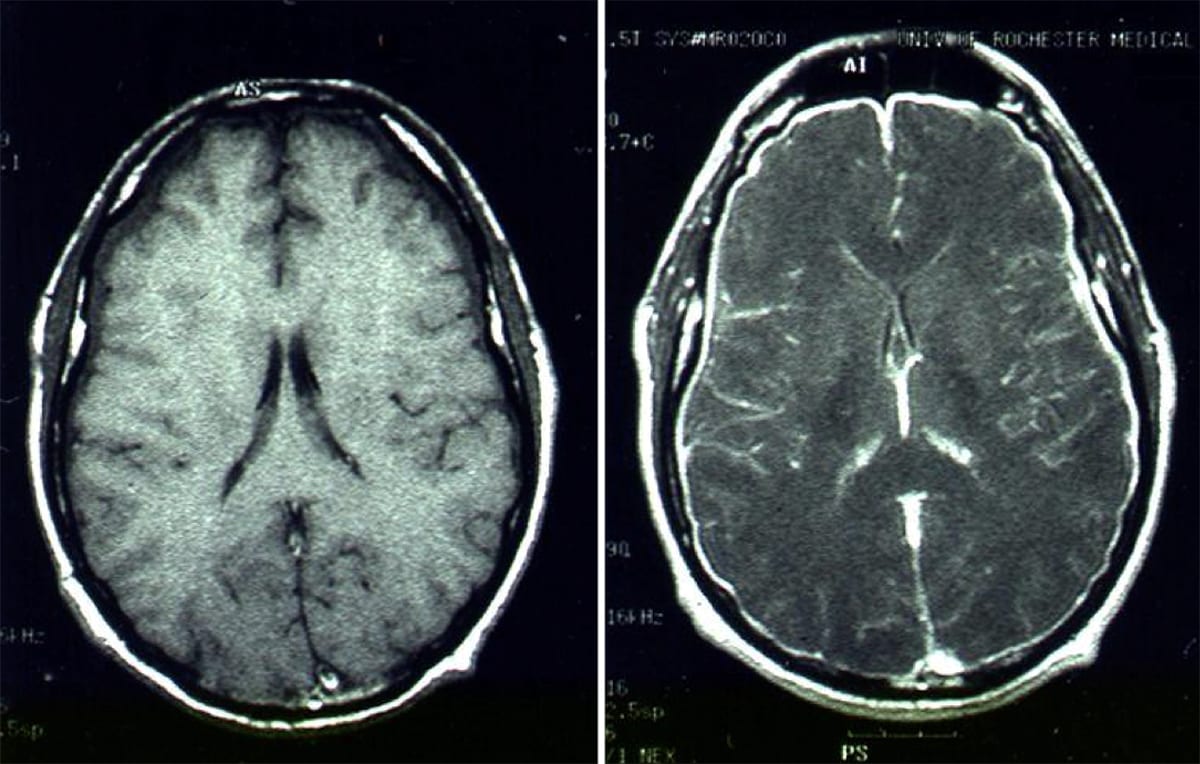
- MRI brain with contrast may show findings of diffuse dural enhancement and thickening.
- Other possible findings include a downward displacement of the cerebellar tonsils and a decrease in ventriclar size.
- Treatment: blood patch, bed rest, and caffeine. Refractory cases may require neurosurgical intervention.
Cerebral Venous Thrombosis
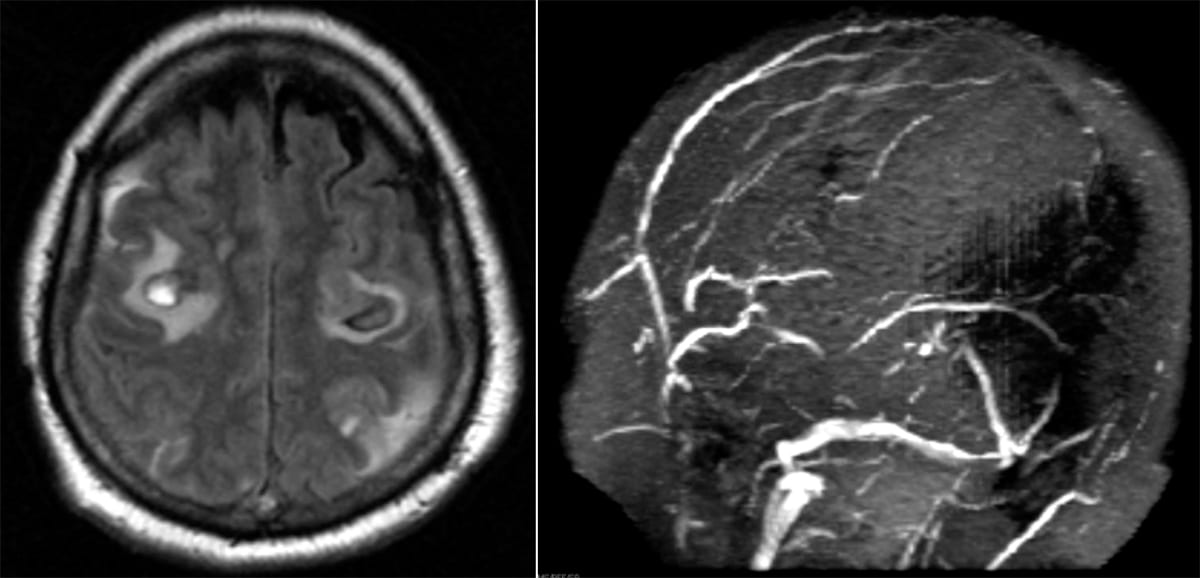
- Headache is present in up to 90% of cases.
- Can have a migraine or tension-type symptoms, or mimic IIH
- Can have seizures in severe cases.
- Diagnostic workup:
- Vessel Imaging (CTV/MRV)
- MRI/CT head may show parenchymal hemorrhage and/or ischemic stroke.
- Treatment: Anticoagulation +/- surgical thrombectomy in severe cases.
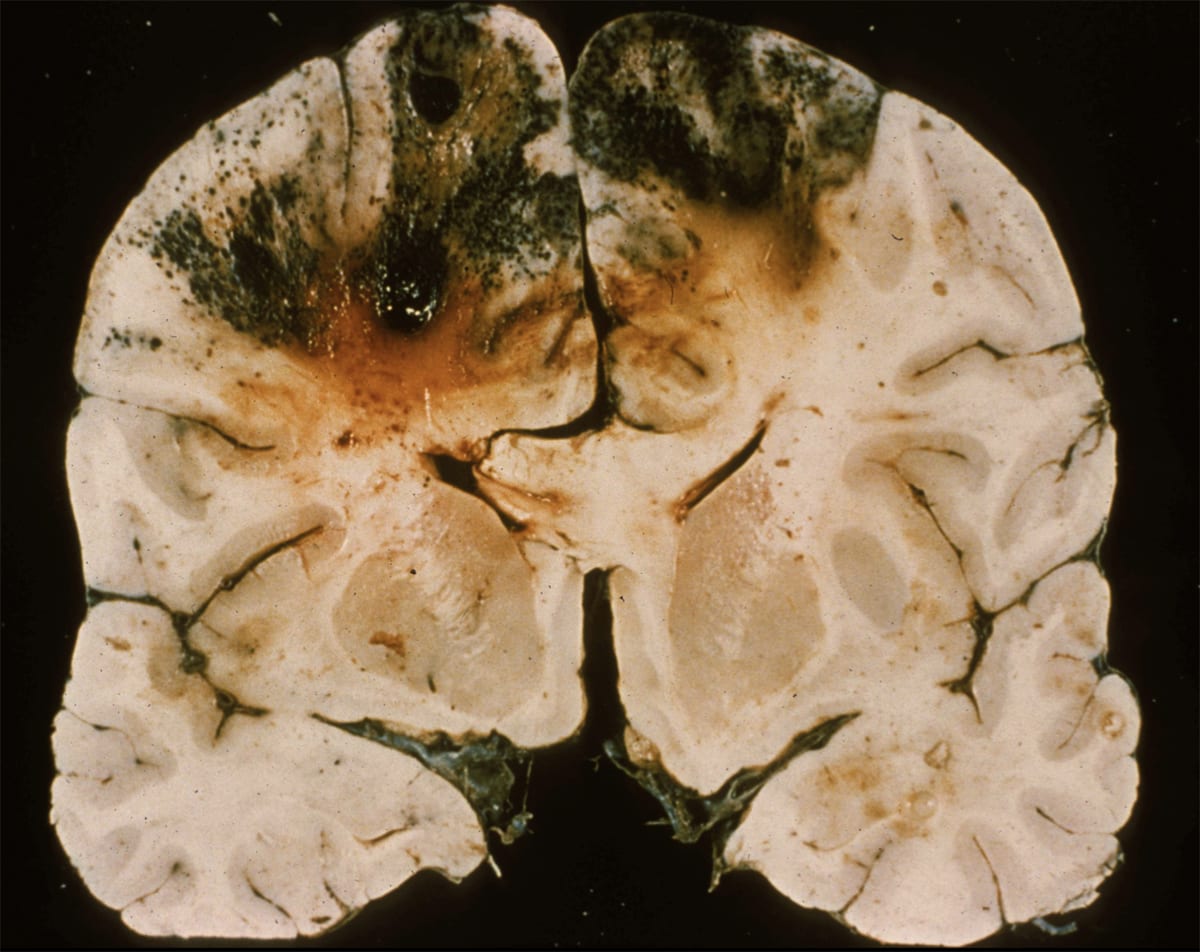
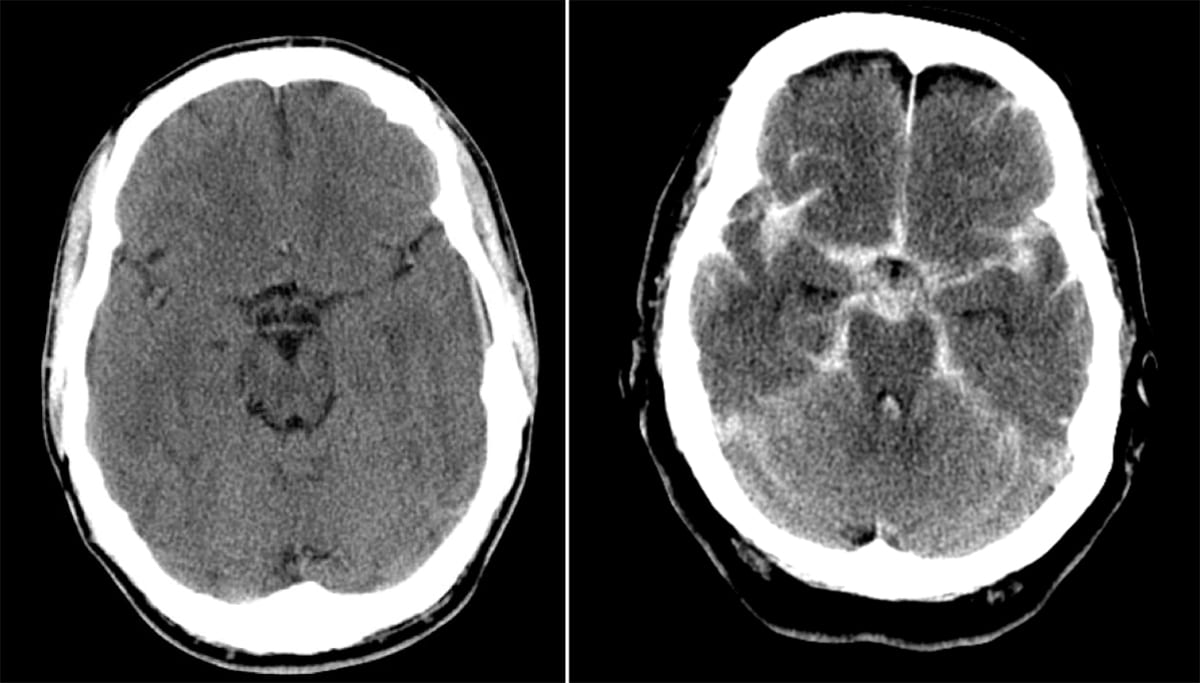
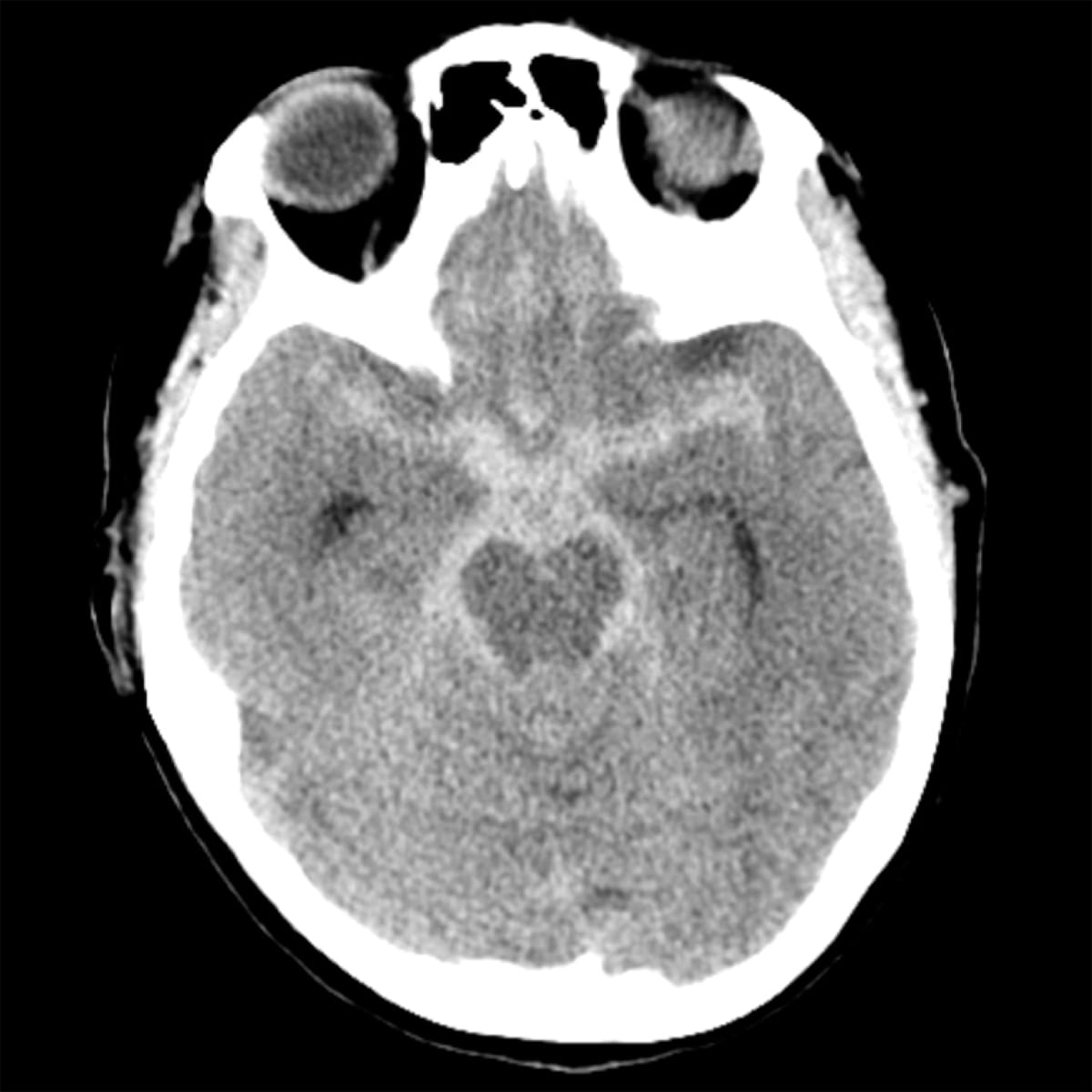
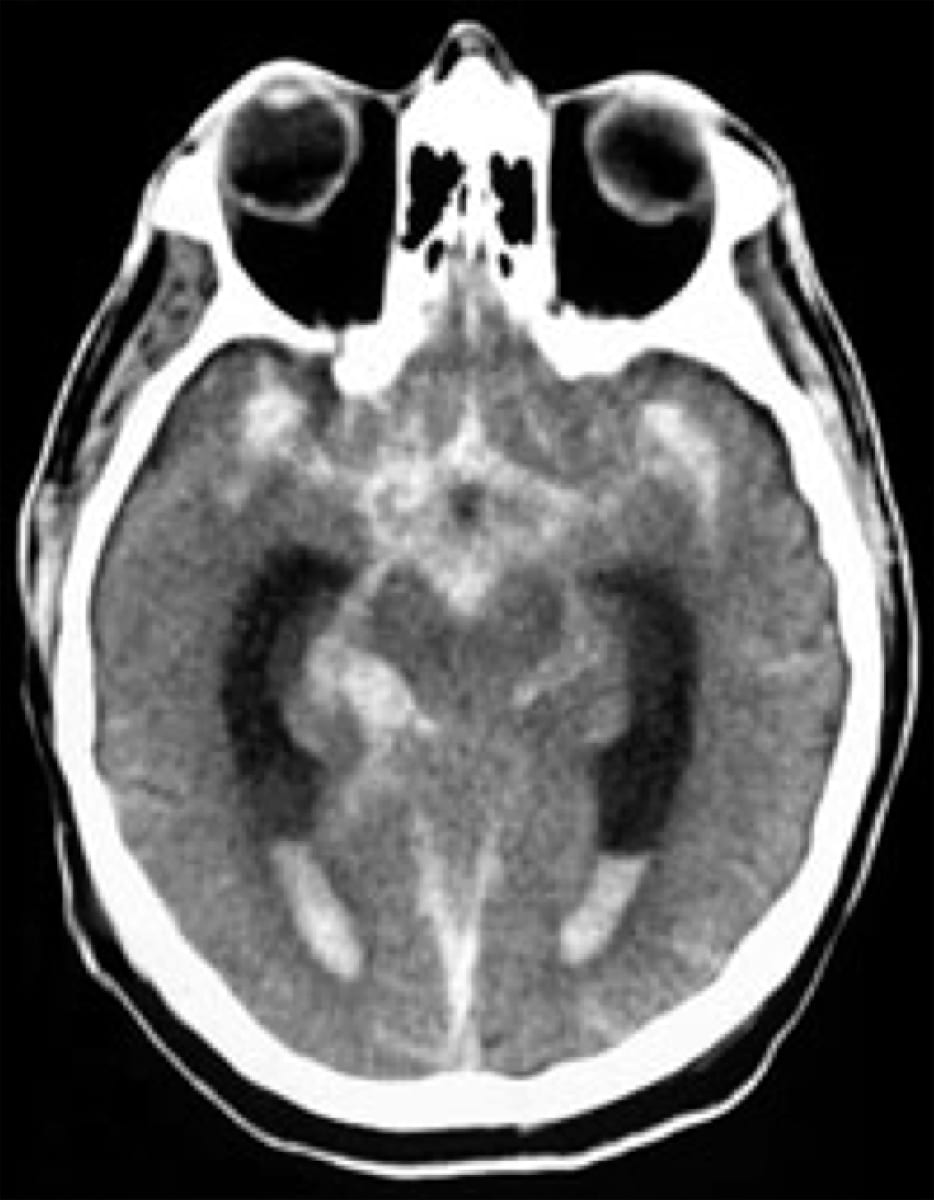
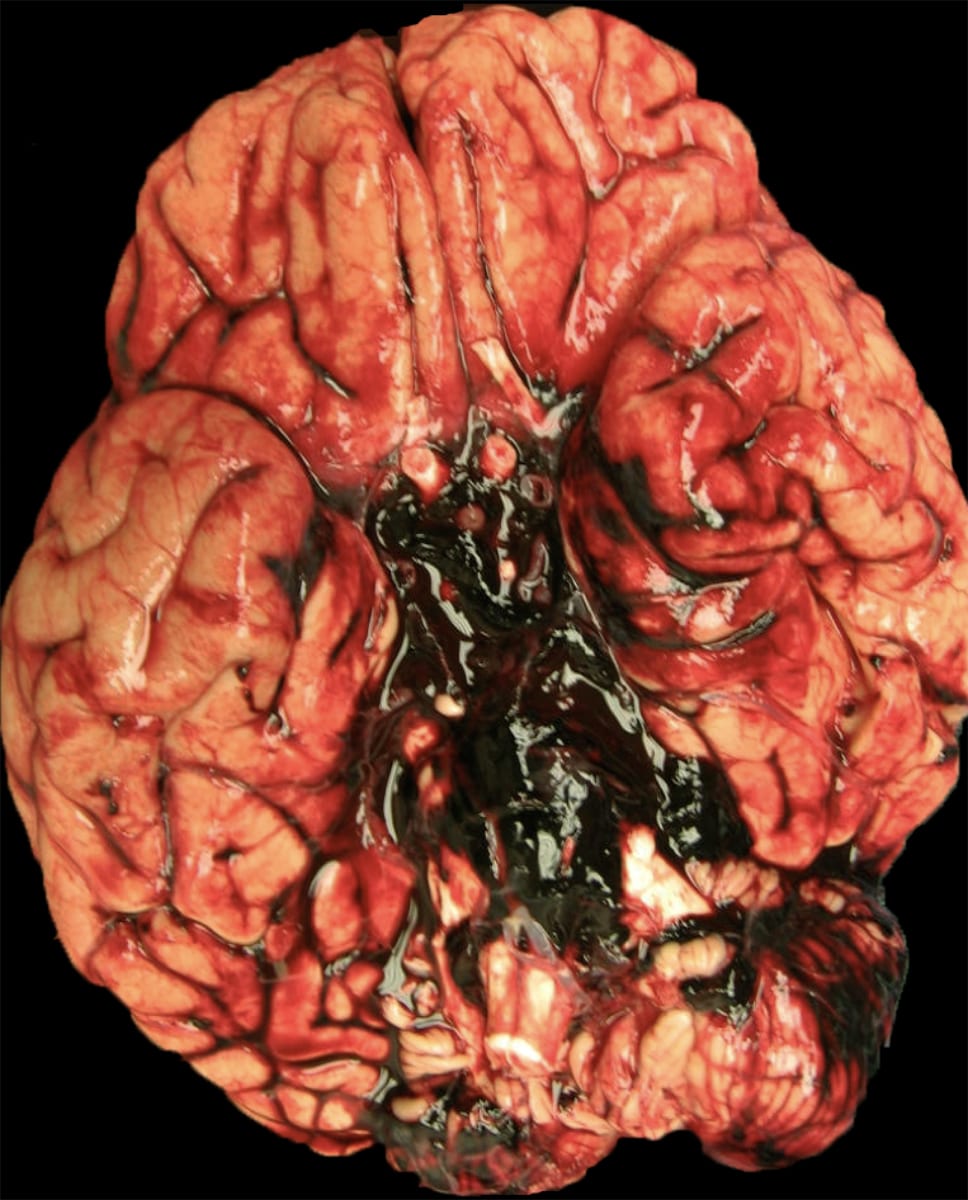
Subarachnoid Hemorrhage (SAH)
- Classically presents with an acute onset “thunderclap headache” (i.e. intensity increases to its maximum in just seconds) and focal neurology deficits.
- May also be called the “worst headache of life”.
- Other common symptoms include nausea, vomiting, and neck stiffness.
- Diagnosis:
- Lumbar puncture to look for xanthochromia
- CT head
- CTA/MRA
- All SAH patients should have vessel imaging to evaluate for an aneurysm.
Medication Overuse Headache (MOH)
- Defined as new or worsening headaches occurring >15 days/month in a patient as a consequence of overusing pain medications for at least 3 months.
- Barbiturates or opiates have the highest association with MOH and thus are never recommended for migraine management.
- Triptans and caffeine-containing compounds can trigger MOH if taken 10 days per month.
- Simple analgesics (acetaminophen, NSAIDs) can trigger MOH if taken 10-15 days per month.
Post-Concussive Syndrome (PCS)
- Seen in patients with mild traumatic brain injury
- Presents with at least three of the following symptoms three week after the inciting injury:
- Headache, fatigue, sleep disturbance, headache, dizziness, irritability, affective disturbance, and apathy.
- Neuroimaging is typically normal
- Most patients with PCS will have symptom resolution within three months.
- Treatment includes reassurance, vestibular-ocular therapy, low-level exercise, and symptomatic treatment of headaches.
Facial pain and cranial neuropathies
Trigeminal Neuralgia
- Also known as tic douloureux.
- Presents with multiple brief, paroxysmal attacks of unilateral severe lancinating pain.
- Most commonly affects V2/V3 dermatomes.
- Symptoms can be triggered by touching the face, eating, drinking, or talking.
- Etiology for most cases is felt to be due to compression of the trigeminal nerve by a vascular loop.
- Multiple sclerosis should be suspected in cases of bilateral trigeminal neuralgia.
- Imaging is indicated as part of the workup for trigeminal neuralgia to exclude structural (neurovascular compression) or demyelinating lesions.
- Treatment: First line agents are carbamazepine or oxcarbazepine. Other treatments options include baclofen, lamotrigine and gabapentin.
References
- Brandes, Jan Lewis. “Topiramate for Migraine Prevention: A Randomized Controlled Trial.” Jama, vol. 291, no. 8, 2004, p. 965., doi:10.1001/jama.291.8.965.
- Chou DE. Secondary Headache Syndromes. Continuum (Minneap Minn) 2018;24:1179-1191.
- Levine, Stuart M., and David B. Hellmann. “Giant Cell Arteritis.” Current Opinion in Rheumatology, vol. 14, no. 1, 2002, pp. 3–10., doi:10.1097/00002281-200201000-00002.
- Matharu MS, Goadsby PJ. TRIGEMINAL AUTONOMIC CEPHALGIAS. Journal of Neurology, Neurosurgery & Psychiatry 2002;72:ii19-ii26.
- Macgregor EA. Headache in pregnancy. Continuum (Minneap Minn) 2014;20:128-147.
- Matharu, Manjit S, et al. “Management of Trigeminal Autonomic Cephalgias and Hemicrania Continua.” Drugs, vol. 63, no. 16, 2003, pp. 1637–1677., doi:10.2165/00003495-200363160-00002.
- Olesen J. International classification of headache Disorders. Lancet Neurol. 2018;17:396–397.
- Lipton, R. B., Göbel, H., Einhäupl, K. M., Wilks, K., & Mauskop, A. (2004). Petasites hybridus root (butterbur) is an effective preventive treatment for migraine. Neurology, 63(12), 2240-2244.
- Bousser, M. G., & Welch, K. M. A. (2005). Relation between migraine and stroke. The Lancet Neurology, 4(9), 533-542.
Log in to View the Remaining 60-90% of Page Content!
Important: If you signed up after 1/1/2026, or if you opted to migrate your old account to the new & improved platform (same great content, better experience), please log in at nowyouknowmed.com

New here? Get started!
(Or, click here to learn about our institution/group pricing)1 Month Plan
Full Access Subscription-
Access to full question bank
-
Access to all flashcards
-
Access to all chapters & site content
3 Month Plan
Full Access Subscription-
Access to full question bank
-
Access to all flashcards
-
Access to all chapters & site content
1 Year Plan
Full Access Subscription-
Access to full question bank
-
Access to all flashcards
-
Access to all chapters & site content