Dementia and neurodegeneration are high-yield topics for the RITE®, board, and shelf examinations. In particular, understanding the different tauopathies, like Alzheimer’s disease, and alpha-synucleinopathies, like Lewy body dementia, will get you very far on these exams. In this chapter, you will find the high-yield topics you need to learn, including classic pathology slides and radiographic images you may see on exam day. Learn this knowledge well, then test what you have learned with a practice quiz at the end!
Authors: Daniel Varon MD, Brian Hanrahan MD
Types of Memory
Procedural memory
- Associated with implicit memory of how to perform certain tasks such as tying shoes or riding a bike.
- Damage to the basal ganglia and cerebellum can lead to procedural memory problems.
Episodic memory
- Memory that is specific to autobiographical events (i.e. times, names, and places).
- Deficits localize to the Papez circuit (hippocampus, fornix, mammillary bodies, anterior thalamus, cingulate, entorhinal cortex)
- Deficits in episodic memory are typical of Alzheimer’s disease (AD).
Working memory
- Also considered “short term memory”, it is the cognitive system responsible for storing temporary pieces of information.
Semantic memory
- Semantic memories do not tend to come from personal experience.
- Deficits of semantic memory lead to the loss of “common knowledge” things such as names of colors, and other basic life facts.
Types of Neurocognitive Testing
- Stroop test: Subjects are presented with names of colors written in colors other than the one spelled out (i.e. the word “red” written in green ink) and are then asked to repeat the color of the word back to the examiner. This is a test used specifically to evaluate executive function, most specifically attention.
- Digit span test: Subjects are read or asked to read a sequence of numbers and then recall them in the same order. This test is used to analyze working memory.
- Wisconsin Card Sorting Test: Assesses visual conceptualization, problem solving, and abstract reasoning which may be deficient in prefrontal cortex lesions.
- California Verbal Learning Test: In this test of episodic memory, subjects are read a list of 16 nouns out loud five times and after each trial, the subject is asked to recall as many as they can in order.
- The Trail Making Test: Used to evaluate executive functioning, speed of processing, and mental flexibility.
- The Wechsler Adult Memory Scale (WAIS-IV): A comprehensive cognitive test that evaluates a subject’s verbal comprehension, perceptual reasoning, working memory, and processing speed.
- The Boston Naming Test: Examiners go through several images individually and ask the subject to identify the word. Those with aphasia or other language disturbances will struggle with this test as it evaluates confrontational word retrieval.
- Clock-Drawing Test: Evaluates visuospatial function, attention, and executive function.
- Go/no-go Test: Patients are instructed to tap once in response to a single tap by the examiner and to withhold a response for two taps. Assesses for disinhibition and frontal lobe dysfunction.
Mild Cognitive Impairment (MCI)
- Felt to be a precursor to Alzheimer’s disease among other neurodegenerative diseases (FTD, LBD, etc.).
- Progresses to dementia at a rate of 10-15% per year.
- Diagnosed based on clinical concern by the patient or others of decreased cognition, with objective evidence of impairment in one or more cognitive domains, typically including memory, on testing, but without limiting independence, ADLs, or daily functioning.
- Imaging can show early mesial temporal/hippocampal volume loss on MRI.
Tauopathies
Tau protein
- Function: Assists in microtubule function as a microtubular associated protein.
- Genetics: encoded by microtubule-associated protein tau (MAPT) gene
- Pathology: Cell death leads to leakage of cellular contents leading to elevated levels of tau and formation of neurofibrillary tangles which are immunoreactive for phosphorylated tau.

Alzheimer’s disease (AD)
- Presents with impairment of memory and at least one other area of cognition.
- Early symptoms include forgetfulness for recent events or newly acquired information, disorientation, and difficulty with complex cognitive functions.
- The degree of memory loss usually correlates with the severity of the loss of cholinergic neurons in the nucleus basalis of Meynert, which has cholinergic projections to the cerebral cortex.
Genetics
- Amyloid precursor protein (APP):
- Located on chromosome 21.
- People with Down syndrome (trisomy 21) have a higher risk of Alzheimer’s disease due to the overproduction of APP.
- Amyloid precursor protein (APP):
- Apolipoprotein E (APOE) gene:
- Susceptibility gene found on chromosome 19.
- Associated with late-onset Alzheimer disease (AD)
- Works by assisting the metabolism and transport of β-amyloid.
- APOE 4 allele increases risk by 5-15 fold.
- APOE 2 allele decreases the risk of AD.
Biomarkers
- Used to help predict conversion from MCI to AD.
- CSF studies: Can be more sensitive than cognitive testing to predict conversion to AD from MCI.
- Elevated total and phosphorylated tau levels due to dying and damaged neurons
- Decreased beta-amyloid 1-42 due to an accumulation of amyloid in plaques.
Pathology
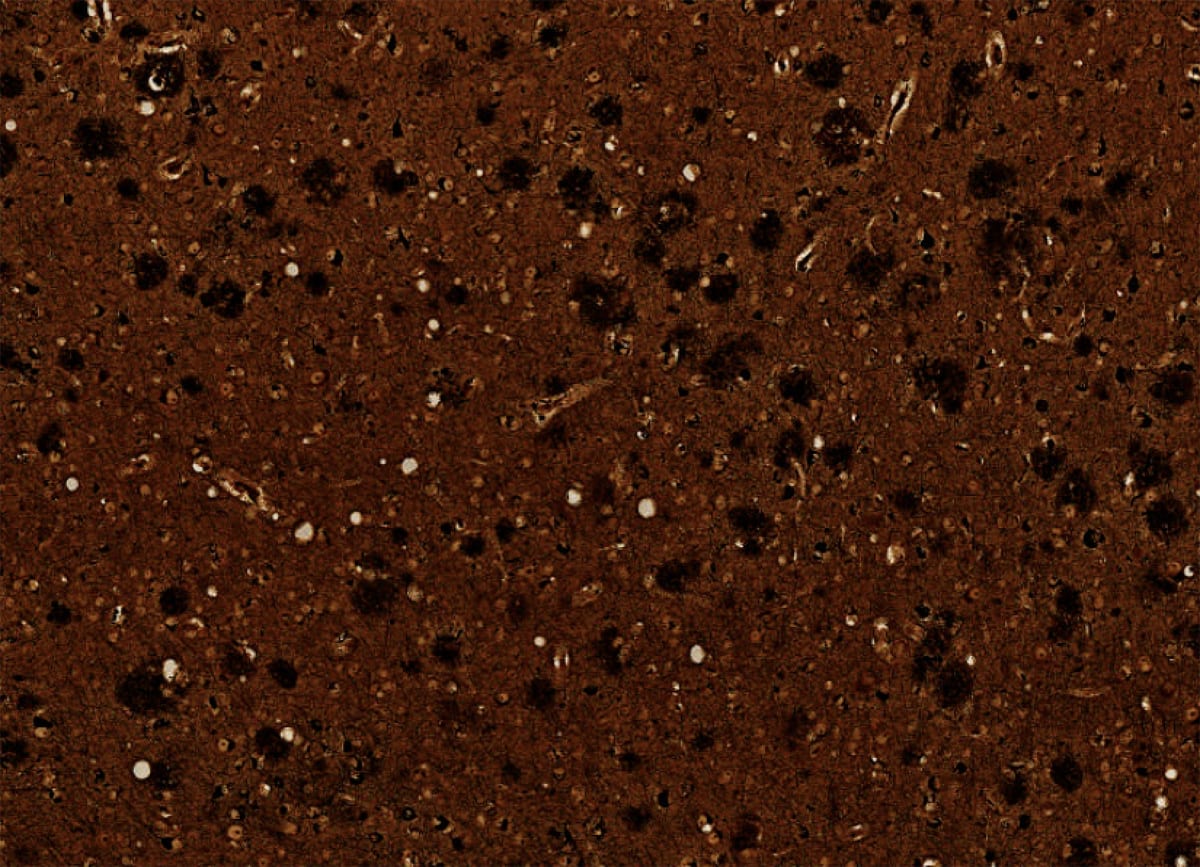
- Microscopic analysis will show extracellular amyloid neuritic plaques and dystrophic neurites with reactive astrocytes and microglia.
- Intracellular neurofibrillary tangles, Hirano bodies, neuronal granulovacuolar degeneration, and the deposition of amyloid in the walls of blood vessels can also be seen.
- Neurofibrillary tangles: Flame-shaped intracellular inclusion bodies of phosphorylated tau protein.
- Hirano bodies: Intracellular aggregates of actin and actin-associated proteins, which are not specific to Alzheimer’s disease.
- Granulovacuolar degeneration: Intraneuronal accumulation of large (up to 5 µm diameter) double membrane-bound vacuoles harboring a central granule.

Imaging
- CT/MRI
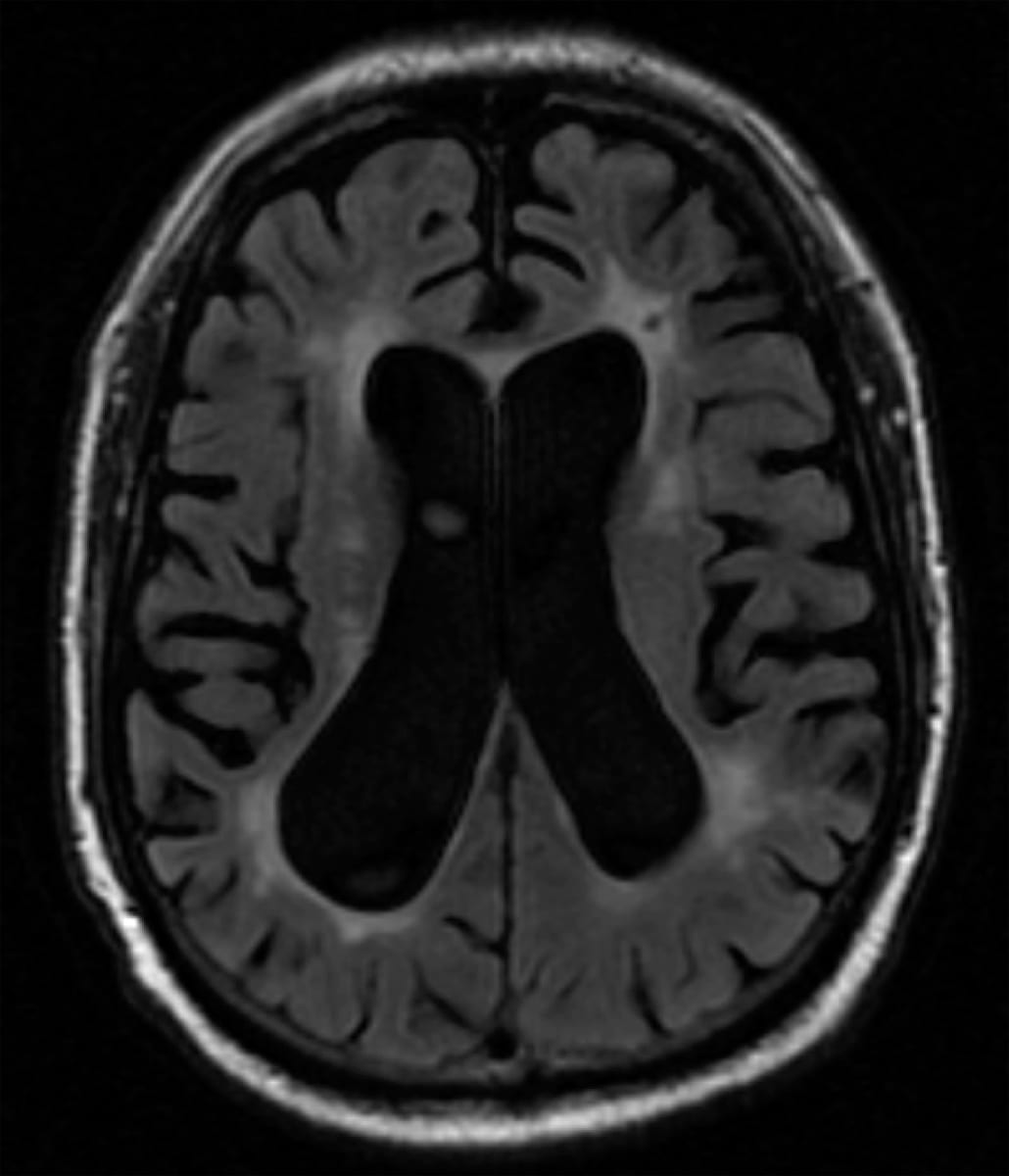
- Widening of the cortical sulci and enlargement of the lateral ventricles
- Microhemorrhages secondary to amyloid angiopathy can also occur in cortical and subcortical locations.
- Hippocampal and high parietal atrophy

Corticobasal degeneration:
- Presents with early limb apraxia due to focal frontal and parietal lobe dysfunction. Apraxia is usually asymmetric. Associated symptoms include rigidity and aphasia.
- Imaging: Atrophy of the perisylvian region and asymmetrical metabolism between hemispheres.
Progressive supranuclear palsy (PSP)
- A male-predominant neurodegenerative disease that presents with marked postural instability, axial rigidity, symmetrical parkinsonism without a tremor, pseudobulbar palsy, and impairment of voluntary vertical gaze. Most patients will develop subcortical dementia.
- Symptoms are largely unresponsive to L-DOPA.
- Imaging: Significant atrophy of the midbrain tegmentum (hummingbird/penguin sign), corpus callosum, and anterior cingulate gyrus.
Frontotemporal dementia (FTD)
- Represents a heterogeneous group of disorders with similar behavioral and language dysfunction.
- Presents with language impairment, gait impairments, and behavioral abnormalities including socially inappropriate behavior, apathy, impulsive actions, and compulsive behaviors.
- May also develop nascent artistic abilities.
FTD variants
- FTD with behavioral variant:
- Most common
- Abulia, apathy, poor hygiene, hyperphagia, disinhibition
- Due to involvement of the bilateral anterior temporal lobes, FTD is often associated with Kluver-Bucy syndrome: hyperorality, hypersexuality, and a blunted affect.
- Approximately 15-20% develop concurrent amyotrophic lateral sclerosis (ALS).
- FTD with behavioral variant:
Imaging
- Atrophy of the frontal and temporal lobes (middle and inferior temporal lobes with sparing of the superior temporal gyrus) also known as “knife-edge” atrophy.

Table: PET findings of common neurodegenerative disorders
Condition | PET Scan Findings |
Alzheimer’s Disease (AD) | Hypometabolism in the temporo-parietal cortex, posterior cingulate cortex, and precuneus |
Dementia with Lewy Bodies (DLB) | Hypometabolism in the parieto-occipital cortexes |
Frontotemporal Dementia (FTD) | Hypometabolism in the frontal and anterior temporal lobes
Asymmetric involvement is common, especially in language variants (e.g., primary progressive aphasia) |
Chronic traumatic encephalopathy (CTE)
- Presents in patients with a history of repetitive head impacts (football players, boxers, military, etc.)
- Symptoms include deficits in episodic memory/executive functioning and/or neurobehavioral dysregulation (violent, impulsive, or explosive behavior).
- Pathology: Neurofibrillary tangles of hyperphosphorylated tau within cortical sulci.
Alpha-synucleinopathies
Lewy body dementia (LBD)
- It is the second most common dementia after AD.
- Presents with the triad of cognitive decline, symmetric parkinsonism, and visual hallucinations. Other potential clinical features include REM behavior disorder, neuroleptic sensitivity, falls, syncope, and depression.
- REM sleep disorder: Characterized by complex nocturnal behaviors involving vocalizations, hitting, punching, and gesturing.
- Usually, patients with parkinsonian symptoms will partially respond to levodopa but dosing is limited to psychiatric side effects.
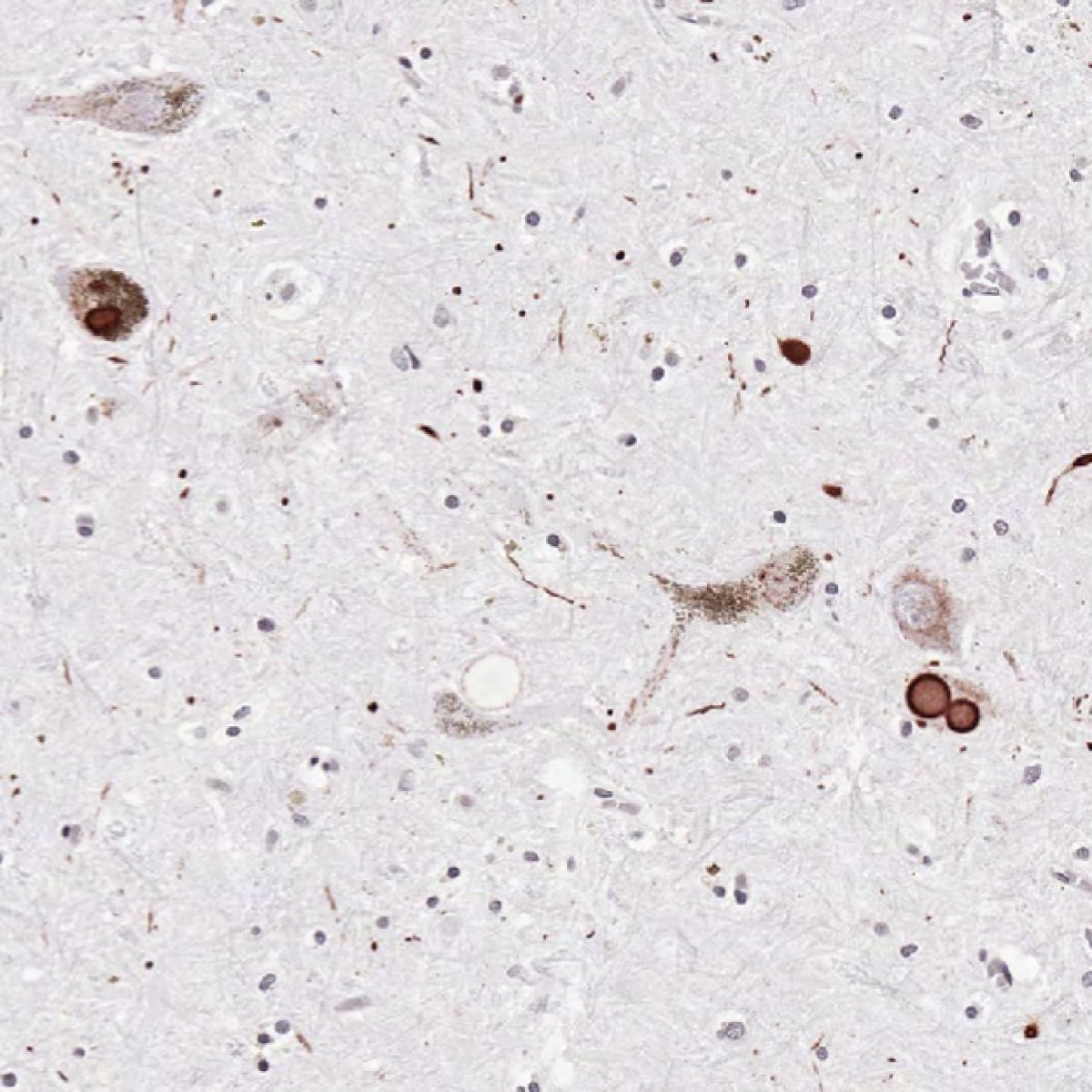
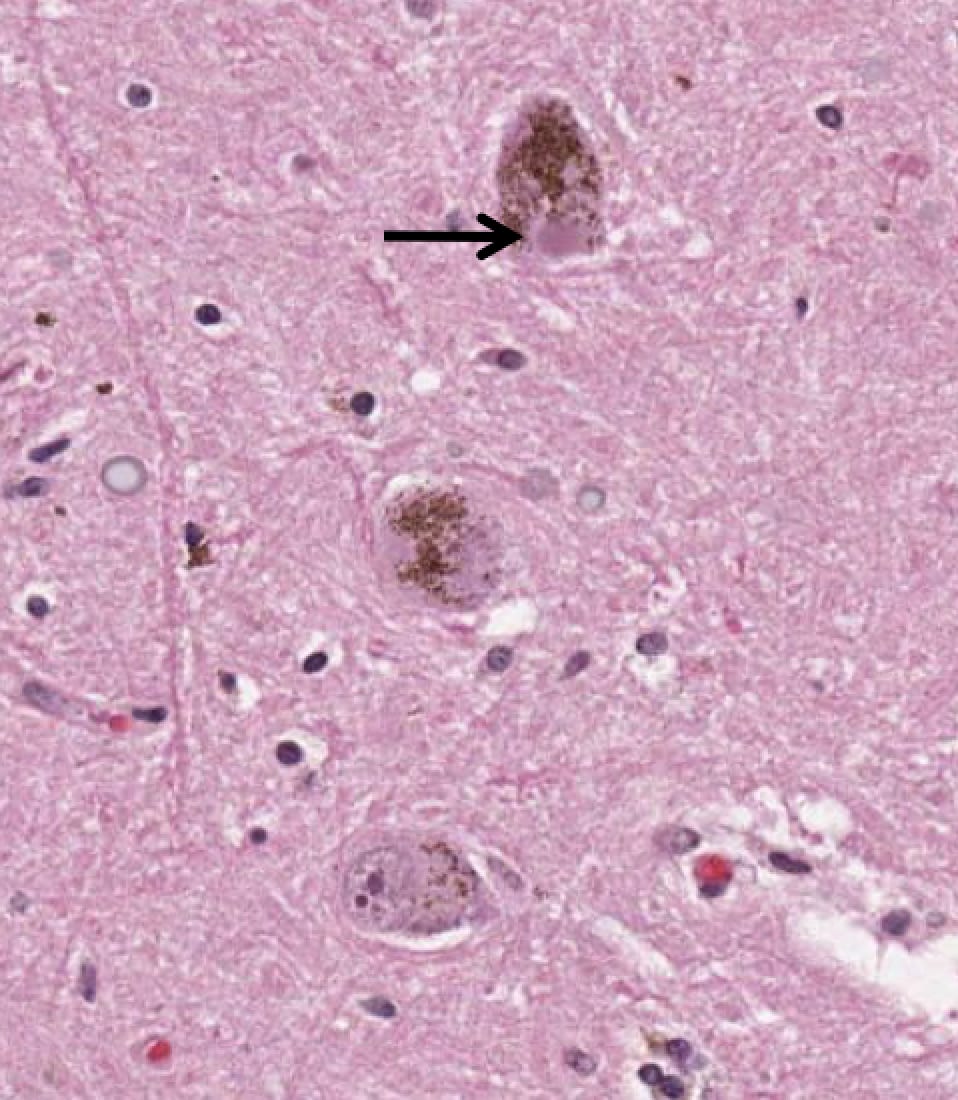
- Pathology: Eosinophilic cytoplasmic inclusions composed of alpha-synuclein/Lewy bodies. Spongiform changes in the temporal lobes may also be present.
- Visual hallucinations are associated with high densities of Lewy bodies in the temporal lobes.
Parkinson’s disease
- See the Movement Disorders chapter for more information
- Presents with resting tremors, cogwheel rigidity, and bradykinesia. REM sleep behavior disorder, constipation, and anosmia can present years before disease onset.
- Pathology: alpha-synuclein inclusions/Lewy bodies primarily within the substantia nigra and locus coeruleus.
Multiple system atrophy (MSA)
- Presents with parkinsonism, cerebellar dysfunction, pyramidal tract signs, and autonomic dysfunction.
- Autonomic symptoms can be treated with fludrocortisone or midodrine.
- Parkinsonism symptoms tend to be refractory to L-DOPA.
- Pathology: alpha-synuclein inclusions/Lewy bodies, glial intracytoplasmic inclusions (gliosis) within oligodendroglia, and neuronal loss.
- Imaging:
- “Hot Cross Bun” sign (T2 hyperintensities) in the pons and olivopontocerebellar atrophy.
Secondary Causes of Cognitive Deficits
- Patients who develop new-onset cognitive complaints should be screened for any reversible causes of dementia:
- Recommended screening tests include B12, TSH, depression screen, and head imaging (CTH vs. MRI brain).
- Syphilis testing can be performed in patients with risk factors for exposure but otherwise shouldn’t be ordered.
- Functional neuroimaging (PET, SPECT), genetic testing, and CSF analysis (unless checking for CJD) are not recommended for routine use.
Hypothyroidism
- Should be routinely screened in any patients with cognitive complaints.
- Can present with systemic symptoms including weight gain, hoarseness, lethargy, hyporeflexia, and cold intolerance.
Normal-pressure hydrocephalus
- Presents with a triad of cognitive difficulties, gait disturbance, and urinary incontinence.
- Patients whose initial presentation is gait disturbance have better outcomes than those who initially present with cognitive changes.
- Imaging typically demonstrates enlarged ventricles concerning for communicating hydrocephalus.
- Gait assessment before and after a large volume lumbar puncture can help confirm the diagnosis.
- Treatment:
- CSF shunting:
- Gait disturbance is the most responsive to shunting of all associated symptoms.
- CSF shunting:
Prion disease
Creutzfeldt-Jakob disease (CJD)
- Presents with rapidly progressive dementia, cerebellar ataxia, myoclonus, hyperekplexia (exaggerated startle), insomnia, encephalopathy, and ataxia.
- Most presentations are sporadic, and usually presenting between ages 50-70.
- Pathophysiology: There is misfolding of PrP, transforming it from a mainly α-helical structure to a β-pleated-sheet-predominant structure.
- Diagnostic studies:
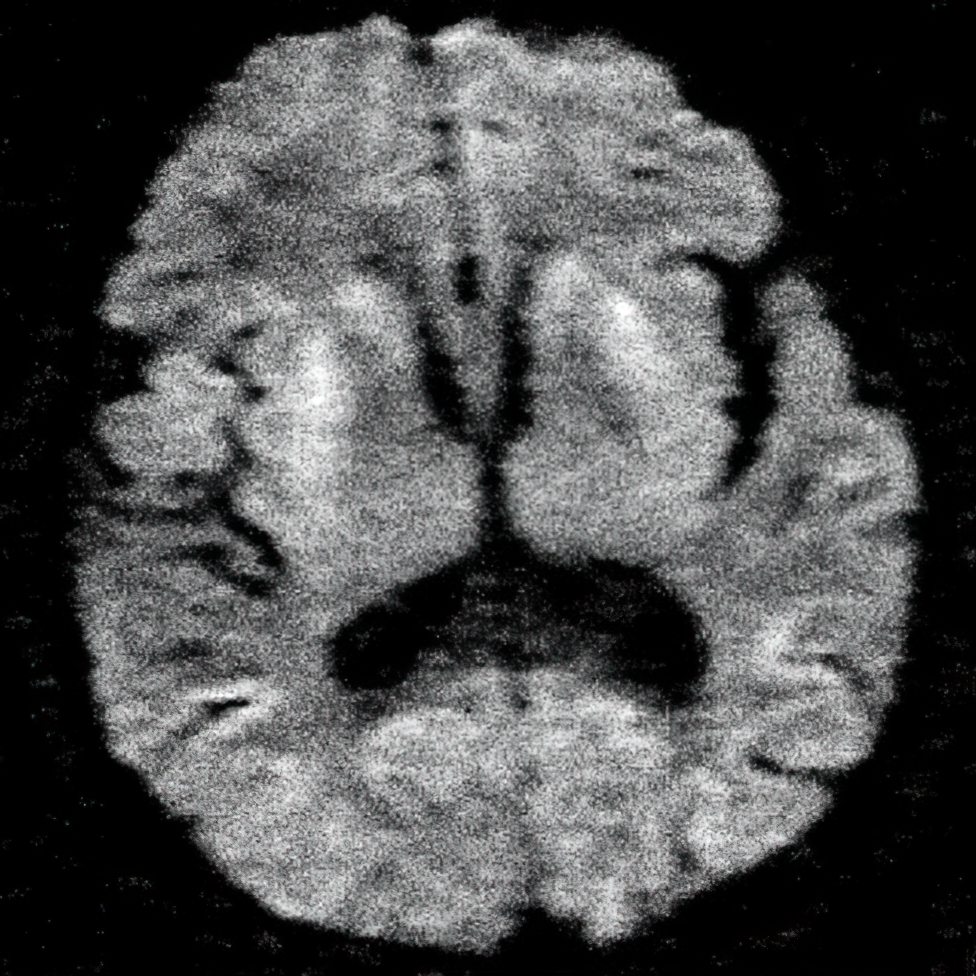
- MRI will show DWI changes with cortical ribboning, and/or hyperintensity of caudate, putamen, and thalamus.
- Cerebral spinal fluid studies:
- Positive 14-3-3 protein (nonspecific), total tau, and neuron-specific enolase.
- RT-QuIC has the highest sensitivity for the diagnosis of CJD.
- Pathology:
- Spongiform changes, neuronal loss, and gliosis.
Variant CJD (vCJD)
- Presents in patients due to the consumption of contaminated beef of those infected with bovine spongiform encephalopathy (BSE).
- Patients usually have a prolonged latency period in comparison to other prion-related diseases.
- Cerebellar dysfunction is typical. Tonsil biopsy is a potential way to diagnose.
- Presents in patients due to the consumption of contaminated beef of those infected with bovine spongiform encephalopathy (BSE).
Treatment of Neurocognitive Disease
Acetylcholinesterase inhibitors
- FDA approved for mild and moderate Alzheimer’s dementia and used off-label for Lewy body dementia.
- Rivastigmine is also approved for Parkinson’s related dementia.
- Can reduce hallucinations, improve cognition, and decrease behavioral disturbances.
- Mechanisms of action:
- Rivastigmine: Acetylcholinesterase and butyrylcholinesterase antagonist
- Donepezil: Acetylcholinesterase inhibitor
- Galantamine: Acetylcholinesterase inhibitor and nicotinic modulator
- Side effects: Nausea, vomiting, diarrhea, symptomatic bradycardia, and syncope.
- It can also possibly worsen depression symptoms.
- Avoid use in patients with AV block and sick sinus syndrome.
- Relative contraindications: bleeding ulcers, seizures, asthma, or COPD.
NMDA receptor antagonists
- Memantine
- Approved for moderate to severe AD.
- May prevent excitatory neurotoxicity.
Antipsychotics in dementia
- Should be used with extreme caution.
- The use of antipsychotics in dementia leads to a higher risk of death. Many antipsychotics carry a black box warning for this.
- Antipsychotics can induce neuroleptic malignant syndrome and worsen parkinsonian symptoms in those with α-synucleinopathies (PD, MSA, LBD).
- If an antipsychotic is required, atypical antipsychotics such as quetiapine or clozapine should be considered.
- Pimavanserin is now available for PD-related psychosis.
- Mechanism of action: Inverse agonist and antagonist of serotonin 5-HT receptors.
Non-pharmacological therapies
- Coenzyme Q10 has not been proven to be an effective treatment.
- Ginkgo biloba evidence is controversial and contradictory, and currently insufficient to prove its efficacy for dementia treatment or prevention.
- A 2016 Cochrane review, found no convincing evidence for the efficacy of omega-3 fatty acids in the treatment of mild to moderate AD.
- There is insufficient evidence to suggest that cognitive interventions lead to improvements in cognition in those with dementia/MCI.
- Aerobic fitness may reduce the risk of dementia.
- Optimization of cardiovascular risk factors (HTN, diabetes, hyperlipidemia, smoking, etc.) can reduce vascular-related dementia.
Dementia and Driving
- Many patients with dementia will eventually progress to a point where they become unsafe drivers.
- Characteristics which can identify patients at increased risk for unsafe driving (Level of evidence):
- Poor clinical dementia rating (CDR) score (Level A)
- Caregivers impression of poor driving ability (Level B)
- History of crashes or traffic citations (Level C)
- A self-reported decrease in driving frequency (Level C)
- Mini-mental state examination (MMSE) score of 24 or less (Level C)
- Dementia with predominant personality changes (Level C)
References
- “Appendix B: Practice Parameter: Diagnosis Of Dementia (An Evidence-Based Review).” CONTINUUM: Lifelong Learning in Neurology, vol. 13, 2007, pp. 210–221., doi:10.1212/01.con.0000267232.84626.41.
- Budson, Andrew E., and Bruce H. Price. “Memory Dysfunction.” New England Journal of Medicine, vol. 352, no. 7, 2005, pp. 692–699., doi:10.1056/nejmra041071.
- Dugger B. N., Dickson D. W. (2017). Pathology of neurodegenerative diseases. Cold Spring Harb. Perspect. Biol. 9:a028035. 10.1101/cshperspect.a028035
- Funk KE, Mrak RE, Kuret J. Granulovacuolar degeneration (GVD) bodies of Alzheimer’s disease (AD) resemble late-stage autophagic organelles. Neuropathol Appl Neurobiol. 2011;37(3):295–306. doi:10.1111/j.1365-2990.2010.01135.x
- Iverson DJ, Gronseth GS, Reger MA, et al. Practice parameter update: evaluation and management of driving risk in dementia: report of the Quality Standards Subcommittee of the American Academy of Neurology. Neurology. 2010;74(16):1316-1324.
- Kumar, Anil, et al. “A Review on Alzheimer’s Disease Pathophysiology and Its Management: an Update.” Pharmacological Reports, vol. 67, no. 2, 2015, pp. 195–203., doi:10.1016/j.pharep.2014.09.004. doi:10.1212/WNL.0b013e3181da3b0f
- Lee S, Miller B. Frontotemporal dementia: Epidemiology, pathology, and pathogenesis. In: UpToDate, Post TW (Ed), UpToDate, Waltham, MA. (Accessed on 4/27/2018.) https://www.uptodate.com/contents/frontotemporal-dementia-epidemiology-pathology-and-pathogenesis
- Mcarthur, Justin C. “HIV Dementia: an Evolving Disease.” Journal of Neuroimmunology, vol. 157, no. 1-2, 2004, pp. 3–10., doi:10.1016/j.jneuroim.2004.08.042.
- Nelson C. Serotonin-norepinephrine reuptake inhibitors (SNRIs): Pharmacology, administration, and side effects. In: UpToDate, Post TW (Ed), UpToDate, Waltham, MA. (Accessed on 9/27/2018.)
- O’neill, D., et al. “Practice Parameter Update: Evaluation and Management of Driving Risk in Dementia: Report of the Quality Standards Subcommittee of the American Academy of Neurology.” Neurology, vol. 75, no. 18, Jan. 2010, pp. 1659–1660., doi:10.1212/wnl.0b013e3181fac6db.
- DeKosky ST, Williamson JD, Fitzpatrick AL, et al. Ginkgo biloba for Prevention of Dementia: A Randomized Controlled Trial. JAMA. 2008;300(19):2253–2262. doi:10.1001/jama.2008.683
- Nguyen T, Alzahrani T. Ginkgo Biloba. [Updated 2021 Jul 9]. In: StatPearls [Internet]. Treasure Island (FL): StatPearls Publishing; 2022 Jan-. Available from: https://www.ncbi.nlm.nih.gov/books/NBK541024/
Log in to View the Remaining 60-90% of Page Content!
Important: If you signed up after 1/1/2026, or if you opted to migrate your old account to the new & improved platform (same great content, better experience), please log in at nowyouknowmed.com

New here? Get started!
(Or, click here to learn about our institution/group pricing)1 Month Plan
Full Access Subscription-
Access to full question bank
-
Access to all flashcards
-
Access to all chapters & site content
3 Month Plan
Full Access Subscription-
Access to full question bank
-
Access to all flashcards
-
Access to all chapters & site content
1 Year Plan
Full Access Subscription-
Access to full question bank
-
Access to all flashcards
-
Access to all chapters & site content