In this chapter, we will cover the typical semiology of hypoactive and hyperactive movement disorders as well as discuss their treatments. The imaging, pathology, and genetics within this chapter are especially important: review the text and test your knowledge with a quiz at the end.

Authors: Eric Jackowiak MD, Brian Hanrahan MD, Robyn Massa MD, Steven Gangloff MD
Editor: Yasmin Aziz MD

Chapter Multimedia Content

Table of Contents
Loading table of contents...

Hypoactive Movement Disorders

  • Hypoactive movement disorders are due to reduced activity of the direct pathway.
  • D1 dopamine receptors are the main dopamine receptor in the direct pathway.
  • See our Basal Ganglia and Cerebellum chapter for more details about the direct pathway. 

Parkinson’s Disease (PD)

  • Presents with unilateral resting tremor, cogwheel rigidity, bradykinesia, and hypomimia.
  • REM sleep behavior disorder, constipation, and anosmia can present years before disease onset.
    • REM sleep disorder: Complex nocturnal behaviors involving vocalizations, hitting, punching, or gesturing.
  • Major depression can be seen in half of patients.
  • Later non-motor features include autonomic dysfunction and hallucinations.
    • PD with dementia: Diagnosis of PD for at least 1 year before the onset of dementia symptoms. 
  • 10 to 15% of patients with PD have a familial form:
    • LRRK2 mutations (autosomal dominant) lead to 10% of familial and 5% of sporadic PD cases. It is seen more often in North African Arabs.
    • PARK1 gene (α-synuclein) and PARK2 (Parkin) mutations are also possible causes of familial PD.
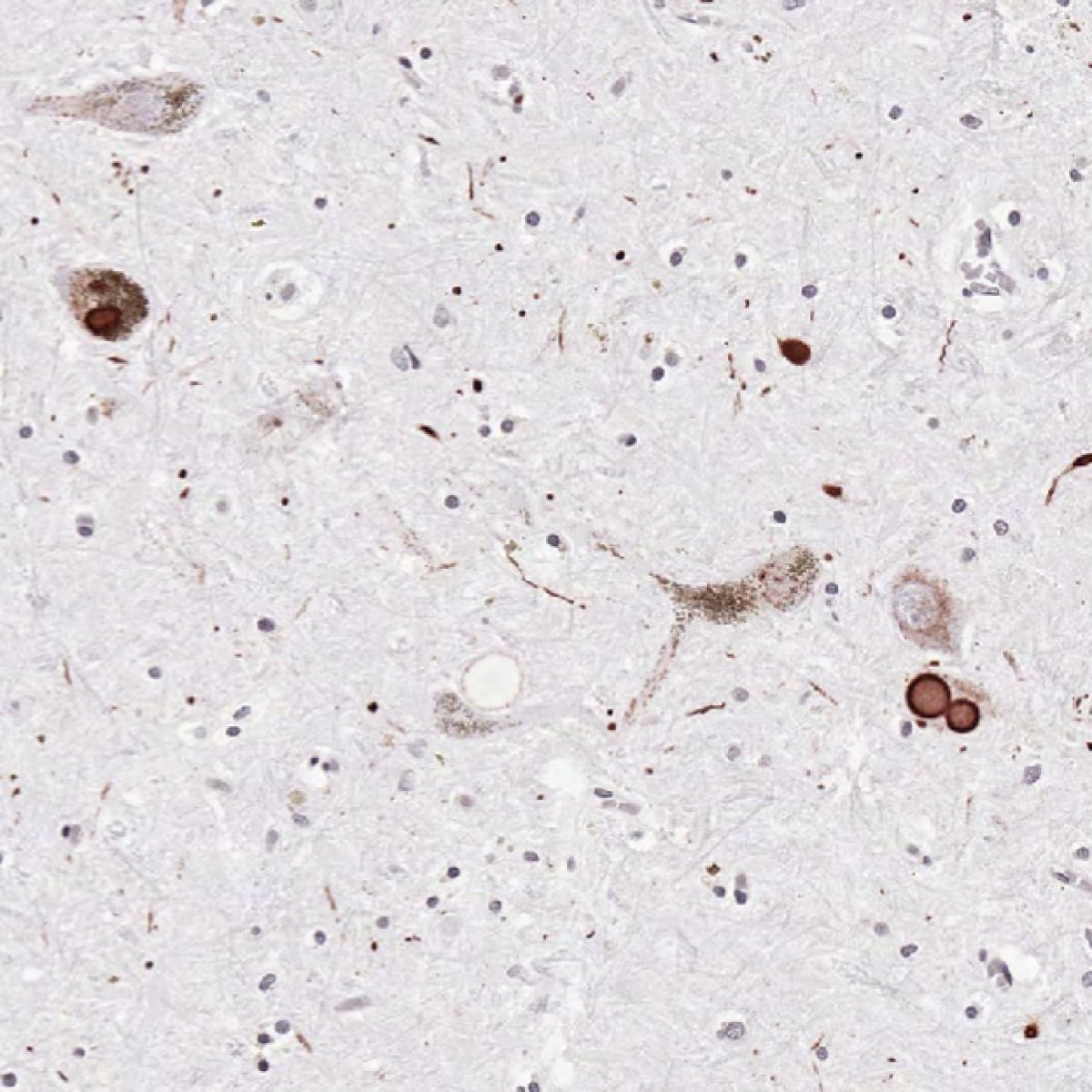
  • Pathology: Alpha-synuclein inclusions/Lewy bodies primarily within the substantia nigra and locus coeruleus.

  • Diagnostic studies:
    • Diagnosis is most often made based on clinical history and examination.
    • In select cases, dopamine transporter (DAT-SPECT) scans may be done. This measures the availability of striatal dopamine.
      • DAT imaging would be normal in patients with essential or drug-induced tremors.
    • PET scans for 11F or 11C dopa measure dopa decarboxylase activity while PET scans for 11C DTBZ assess vesicular monoamine transporter-2 activity.

Parkinson’s Therapies

PD therapies are aimed at increasing intracranial dopamine effects by stimulating its production (dopamine precursors), mimicking its action at receptors (direct agonists), blocking its peripheral conversion (carbidopa), preventing inactivation (COMT inhibitors), or decreasing its breakdown (MAO-B inhibitors).

Dopamine precursor (Levodopa)
  • Mechanism of action: Levodopa is converted into dopamine after it crosses the blood-brain barrier thus increasing intraparenchymal levels of dopamine.
  • Side effects: Nausea/vomiting, dyskinesias, orthostatic hypotension.
  • Carbidopa is given concurrently with levodopa to reduce the GI side effects and reduce levodopa’s peripheral plasma breakdown.
  • Levodopa has a short half-life which can lead to motor fluctuations and peak-dose dyskinesia.
  • Levodopa is safe in pregnancy.
COMT inhibitors (tolcapone and entacapone)
  • Mechanism of action: Reduces methylation of levodopa and dopamine, which increases levodopa’s half-life.
  • Ineffective when given alone but can prolong the duration of clinical response of levodopa when given together.
  • The use of tolcapone requires liver enzyme monitoring.
  • Side effects: Severe diarrhea and discoloration of urine.
MAO-B inhibitors (rasagiline and selegiline)
  • Mechanism of action: Decreases the catabolism of dopamine, resulting in a greater peak effect and less wearing off when used in combination with levodopa.
    • Can also be used as monotherapy in early PD.
  • Side effects:
    • Ingestion of tyramine heavy foods (aged cheeses, cured meats) can result in severe tachycardia and hypertensive crisis which at times can be fatal.
    • Concurrent use of SSRIs can lead to serotonin syndrome
  • Decongestant medications and some narcotics may also interact with MAO-B inhibitors.
Direct dopamine agonists (DDA)
  • Bromocriptine, pramipexole, ropinirole, rotigotine, and apomorphine
  • Side effectsImpulse-control disorder, hallucinations, nausea, orthostatic hypotension, peripheral edema.
    • Pramipexole and ropinirole have been associated with excessive drowsiness and falling asleep while driving.
    • Can worsen dyskinesias when added to levodopa.
  • Less likely to cause augmentation than levodopa.
Partial dopamine agonist and partial NMDA receptor antagonist (Amantadine)
  • Mechanism of action: Has an anti-dyskinetic effect by reducing the frequency of abnormal involuntary movements due to levodopa.
  • Side effects: Livedo reticularis
Anticholinergics (Trihexyphenidyl and benztropine)
  • Can be used in younger patients (under 60) with tremor-predominant dysfunction, bradykinesia, postural instability, and/or rigidity.
  • Side effects: Cognitive dysfunction, urinary retention, dry mouth, and GI disturbance.
Psychosis-related therapies
  • Atypical antipsychotics
    •  Clozapine
      • Antipsychotic of choice for PD-related psychosis.
      • Mechanism of action: preferential inhibition of dopamine receptors in the frontal lobe and not the basal ganglia.
      • Side effects: bone marrow suppression
        • Requires blood count monitoring as a result
    • Quetiapine
      • Doesn’t have the risk of bone marrow suppression like clozapine but is likely not as efficacious.
  • Pimavanserin
    • Only FDA approved medication specifically for Parkinson’s disease psychosis.
    • Mechanism of action: Serotonin 5-HT2A receptor inverse agonist and antagonist.
Deep Brain Stimulation (DBS)
  • Used to treat the motor symptoms of PD but has no effect on its non-motor symptoms.
  • Can be implanted into the contralateral side of major symptoms, or bilaterally.
  • Significant cognitive dysfunction is a contraindication to DBS.
  • Locations for DBS placement:
    • Ventral intermediate nucleus (VIM) of the thalamus: Improves tremor
    • Globus pallidus interna (GPi) or subthalamic nucleus (STN) Improves tremor, bradykinesia, and rigidity.

Drug Induced Parkinsonism (DIP)

  • Can present with either symmetric or asymmetric symptoms, making it difficult to differentiate from Parkinson’s disease.
  • DIP can occur secondary to antipsychotics (chlorpromazine, prochlorperazine, risperidone, clozapine, etc.), antiemetics (metoclopramide),  lithium, SSRIs, valproic acid, and phenytoin.
  • Symptoms often, but not always, improve in the following weeks to months after discontinuation of the offending drug. 

Atypical Parkinsonism Neurodegenerative Diseases

Tauopathies

  • Progressive Supranuclear Palsy (PSP)
    • Presents with parkinsonism, early falls, vertical gaze palsy, and impaired smooth oculomotor pursuit.
    • Imaging: Atrophy of the midbrain tegmentum (hummingbird/penguin sign), corpus callosum, and anterior cingulate gyrus.
    • Pathology: Globose neurofibrillary tangles in the brainstem and ganglia. Tufted astrocytes (tau-positive astrocytic inclusions) are also present.
    • Symptoms rarely respond to levodopa.
  • Corticobasal Degeneration (CBD)
    • Presents with early limb apraxia due to focal frontal and parietal lobe dysfunction. Apraxia is usually asymmetric. Associated symptoms include rigidity, agraphesthesia, and aphasia.
    • Imaging: Atrophy of the perisylvian region and asymmetrical metabolism between hemispheres.
    • Pathology: Ballooned neurons and astrocytic plaques.
  • Frontotemporal Dementia with Parkinsonism Linked to Chromosome 17 (FTDP-17)
    • Parkinsonism with early behavioral and personality changes and cognitive impairment.
    • Linked to chromosome 17 (MAPT gene). Autosomal dominant.

Synucleinopathies

  • Idiopathic PD
    • (see above)
  • Lewy Body Dementia (LBD)
    • Presents with a triad of cognitive decline, symmetric parkinsonism, and visual hallucinations.
    • Other potential clinical features include REM behavior disorder, neuroleptic sensitivity, falls, syncope, and depression.
    • Imaging: Occipital hypometabolism on PET imaging.
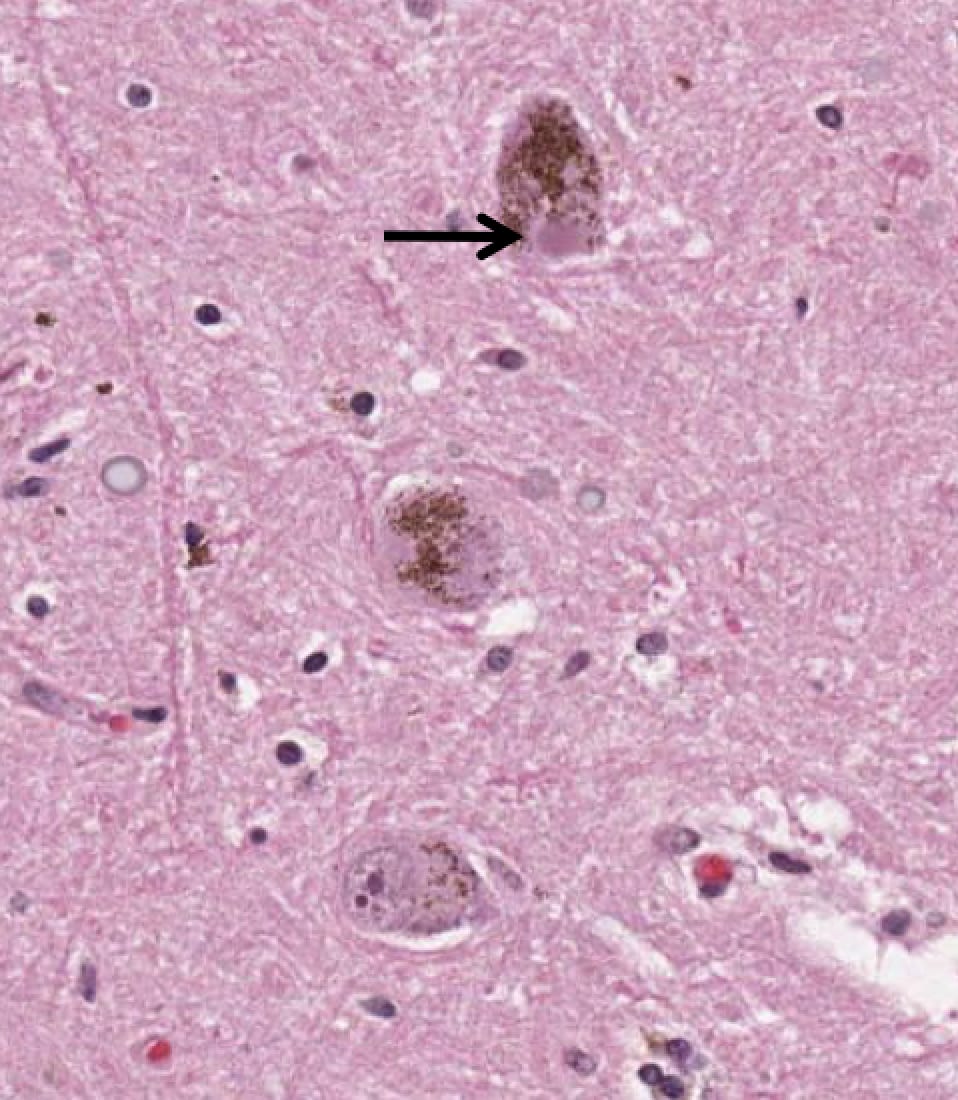
    • Pathology: Eosinophilic cytoplasmic inclusions composed of alpha-synuclein inclusions/Lewy bodies. Spongiform changes in the temporal lobes may also be present.
  • Treatment: Usually patients with parkinsonian symptoms will respond to levodopa but dosing is limited to psychiatric side effects.
  • Multiple Systems Atrophy (MSA)
    • Presents with parkinsonism, cerebellar dysfunction, pyramidal tract signs, and autonomic dysfunction (typically beginning with bladder and erectile dysfunction, with prominent orthostasis on examination).
    • Imaging: “Hot Cross Bun” sign in the pons showing loss of pontocerebellar fibers.
    • Pathology: alpha-synuclein inclusions/Lewy bodies, glial intracytoplasmic inclusions (gliosis) within oligodendroglia, and neuronal loss.
    • Treatment: Tends to be refractory to L-DOPA. Autonomic symptoms can be treated with fludrocortisone or midodrine.
      • Midodrine can cause supine hypertension.
    • Variants:
      • MSA-A: Autonomic feature predominant.
      • MSA-P: Parkinson’s feature predominant.
      • MSA-C: Cerebellar ataxia predominant.

Hyperactive Movement Disorders

  • Hyperactive movement disorders are due to reduced activity of the indirect pathway.
  • D2 receptors are the main dopamine receptors in the indirect pathway.
  • See our Basal Ganglia and Cerebellum chapter for more details about the indirect pathway.

Chorea

Huntington’s Disease

  • Presents with choreiform movements, psychiatric problems, and neurocognitive deficits. Patients often develop depression as well.
  • Genetics: Autosomal dominant. HD gene location 4p16.3.
    • Trinucleotide repeats >40 CAG leads to full penetrance of the disease.
    • Repeats expand with each generation in an “anticipation” pattern.
    • Family members of those with HD who wish to pursue genetic evaluation for the trinucleotide repeat should have genetic counseling prior to and after the result is available. Testing shouldn’t be performed prior to the age of 18.
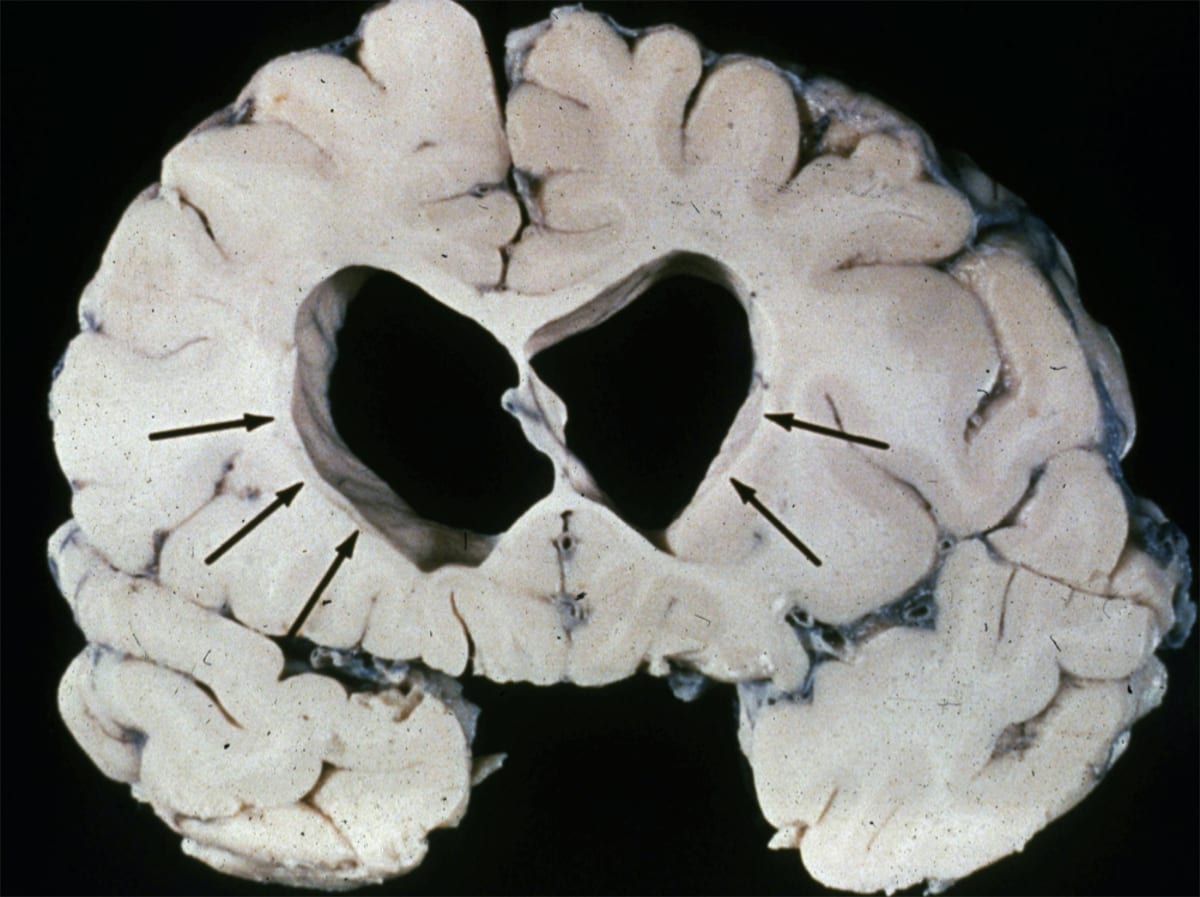
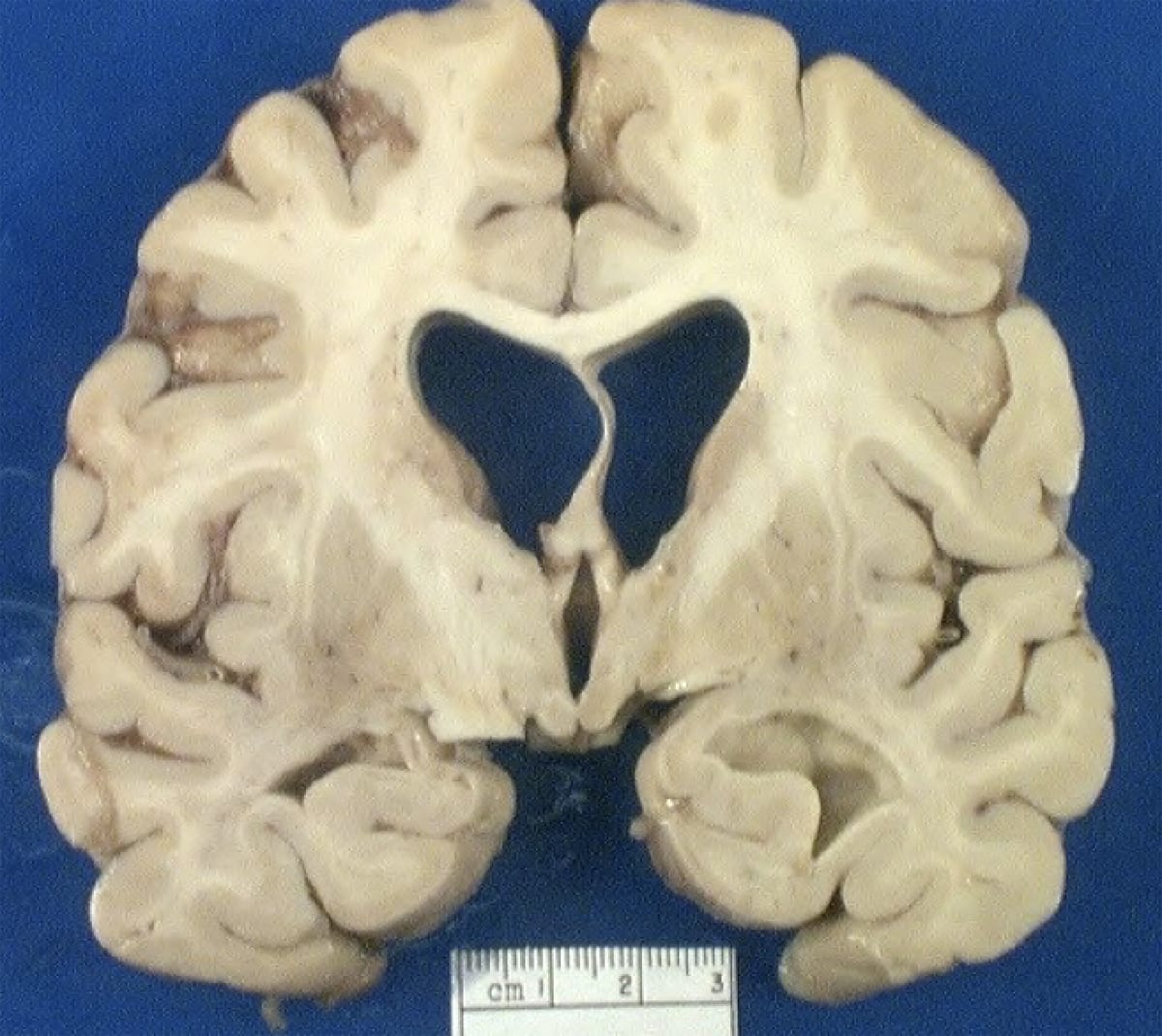
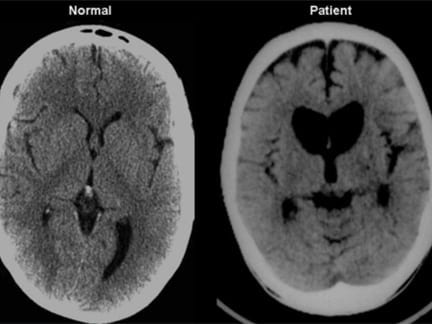
  • Imaging: Caudate atrophy.

  • Pathology: Selective loss of spiny neurons (GABAergic inhibitory cells) in the caudate nucleus and intranuclear inclusions of huntingtin and ubiquitin.
  • Treatment:
    • Tetrabenazine:
      • Mechanism of action: Reversible inhibition of vesicular monoamine transporter 2 (VMAT2). This leads to the decreased uptake of monoamines (dopamine, serotonin, norepinephrine, histamine) into synaptic vesicles, as well as depletion of monoamine storage from nerve terminals.
    • Deutetrabenazine:
      • A deuterated form of tetrabenazine. Newly approved medication for chorea in HD that has a better side effect profile.

Sydenham Chorea

  • Also known as St. Vitus dance.
  • Occurs in children ages 5 to 18, one to eight months after having streptococcal pharyngitis.
    • Seen in 40% of patients who develop rheumatic fever.
  • Presents with asymmetric but often bilateral choreiform movements, emotional lability, and hypotonia.
  • Treatment includes antibiotics and dopaminergic blocking agents if symptomatic therapy is needed.
  • Most patients typically recover within 12-15 weeks.
  • Females who develop Sydenham chorea are at risk for developing recurrent chorea in the setting of hormone therapy or pregnancy (chorea gravidarum).

Dystonia

General (Primary Generalized) Dystonia

  • Described as a sustained, slow contraction of muscles which can be focal, multifocal, segmental, hemidystonia, or generalized.
  • Genetics: The most common primary dystonia is a mutation in the Torsin A gene (DYT1) on chromosome 9. Symptoms start as action induced dystonia in early childhood.
  • Exam:
    • Geste antagoniste/sensory trick: A voluntary maneuver, such as touching the face, neck, or limb which can temporarily reduce the severity of dystonic posture.
    • Writers cramp is an example of a focal dystonia that is induced by a specific activity.
  • Treatment:
    • Generalized dystonias: Anticholinergics, benzodiazepines, baclofen (GABA-B agonist), gabapentin, tetrabenazine, DBS.
    • Focal or multifocal dystonia: Botox injections.
      • Mechanism of action: Botulinum neurotoxin cleaves synaptosomal/SNARE proteins (SNAP/VAMP), which consequently prevents exocytosis and the release of acetylcholine at neuromuscular junctions.
        • 0.3-6% of patients develop neutralizing antibodies after long-term treatment.
        • Serotype variability:
          • Serotypes A and E cleave synaptosomal-associated protein (SNAP)-25
          • Serotypes B, D, F, and G cleave vesicle-associated membrane protein (VAMP)
          • Serotype C cleaves both syntaxin and SNAP-25.

Dopa-responsive Dystonia

  • Presents in childhood as progressive dystonia of the lower extremities without any other significant comorbidities.
    • More common in females
  • Symptoms are usually mild in the morning and worse at the end of the day (“diurnal”).
  • Genetics:
    • Mutation of the gene GTP cyclohydrolase I (GCH1)
      • Associated with the enzyme guanosine triphaosphate cyclohydrase.
      • Typically presents as an autosomal dominant disorder.
  • Treatment: Low doses of levodopa

Acute Dystonic Reaction

  • Characterized by involuntary contractions of major muscle groups, such as cervical and limb dystonia or oculogyric crisis and opisthotonos. Usually seen in younger patients after exposure to a triggering medication.
  • Triggers: Dopamine antagonists (metoclopramide, prochlorperazine)
  • Treatment:  benztropine (anticholinergic) or diphenhydramine (antihistamine)

Lesch-Nyhan syndrome

  • Occurs due to hypoxanthine-guanine phosphoribosyltransferase deficiency.
    •  This leads to Increased serum and urine uric acid levels
  • Hypotonia and developmental delay are appreciated at 4 months of age.
  • Dystonia starts around 8-12 months of age
  • Self-injurious behavior (lip/tongue biting, headbanging, etc.) is often seen. 

Tremor

Essential Tremor

  • Exam: Mid to high frequency postural and action tremor of the hand or forearms. It can also involve the head or vocal cords.
  • Patients often complain of difficulties with writing, brushing their teeth/hair, or using utensils.
  • A strong family history is usually present.
  • A transient benefit is appreciated with alcohol intake.
  • Treatment:
    • Propranolol and primidone (Level A Evidence)
    • Topiramate, gabapentin, atenolol, levetiracetam, alprazolam (Level B Evidence)
    • DBS if medically refractory

Enhanced Physiologic Tremor

  • Exam: Low-amplitude, high-frequency (6-12 Hz) tremor at rest and action.
  • This tremor can be enhanced by anxiety or stress and usually does not require extensive workup or treatment.

Drug-Induced Tremor

  • Variable presentations (postural vs. intention vs. resting tremor) based on the particular drug exposure.
  • Causes include amiodarone, lithium, selective serotonin reuptake inhibitors, caffeine, valproic acid, immunosuppressants (tacrolimus, cyclosporine), and dopamine antagonists (haloperidol, thioridazine).

Orthostatic Tremor

  • Presents with a high-frequency (14-16 Hz) postural tremor in the legs only appreciated while standing.
  • Seen primarily in older adults.

Tics

Tourette’s Syndrome

  • To meet diagnostic criteria patient should have two or more motor and one or more vocal tics, though not necessarily concurrently, for >1 year before the age of 18.
  • If symptoms are present for less than a year then self-resolve it is called provisional (transient) tic disorder.
  • Coprolalia is not required for diagnosis but can be present.
  • Often seen concurrently with ADHD, OCD, and other mood disorders.

Childhood Tic Disorder

  • Diagnosed in children with tics that don’t meet the diagnostic criteria of Tourette’s syndrome.

Treatment of Tic Disorders

  • Pharmacotherapy:
    • Typical/Atypical Dopamine antagonists: Haloperidol, pimozide, aripiprazole.
    • Alpha-2 agonists: Guanfacine and clonidine can also be used to treat comorbid ADHD if present.
  • Behavioral therapy also known as comprehensive behavioral interventions for tics (CBIT) 

Hemiballismus

  • Characterized by sudden, violent, involuntary, flinging movements involving the arm and/or leg.
  • Classically seen secondary to a lesion of the contralateral subthalamic nucleus.

Genetic Ataxias

Episodic Ataxia

  • Presents with episodic ataxia, gait instability, and nystagmus.
  • Genetics: Autosomal dominant
    • Type I: Mutation to the voltage-gated potassium channel (KCNA1): Episodes last minutes. Triggered by startle and exercise.
      • Treatment: Carbamazepine
    • Type II: Due to point mutations to the voltage-gated calcium channel (CACNA1a): Episodes last hours to days. Triggered by fatigue, stress, and alcohol.
      • TreatmentAcetazolamide
    • Type III: Attacks of ataxia plus tinnitus.
    • Type IV: Attacks of ataxia with quick head turn.

Friedreich Ataxia (FA)

  • Presents in teenage years with progressive ataxia, dysarthria/dysphagia, sensory loss due to axonal neuropathy, high-arched feet, and weakness with relatively intact cognition.
    • Cardiomyopathy is the most common cause of death.
  • Can be treated with the synthetic coenzyme Q analogue. idebenone.
  • Genetics: Autosomal recessive. Due to a loss-of-function mutation of the frataxin (FXN) gene caused by a trinucleotide repeat of GAA (>66).
  • Imaging: Atrophy of the cervical cord and medulla, with some minimal cerebellar atrophy

Ataxia Telangiectasia (ATM)

  • Presents in children between 1-2 years old with progressive cerebellar ataxia, telangiectasias, and recurrent sinopulmonary infections.
  • Have elevated serum α-fetoprotein.
  • Patients are at a higher risk of cancer, particularly lymphomas.
  • Genetics: Autosomal recessive mutation of the ATM gene.

Mnemonic: ATM: Ataxia, Telangiectasia, Mucus/Malignancy

Fragile X Tremor Ataxia Syndrome (FXTAS)

  • Presents in only men, with late-onset ataxia and postural tremor.
  • Genetics: Premutation of the same FMR1 gene that causes Fragile X syndrome: Patients with Fragile X syndrome require >200 CGG trinucleotide repeats. Patients with FXTAS often have repeats between 50 and 200, and thus it is considered a “premutation”. The next generation may have full Fragile X syndrome due to anticipation.

Autosomal Dominant Spinocerebellar Ataxias (SCA)

  • Multiple different types with variable phenotypes but uniformally presents with progressive truncal/limb ataxia and spasticity.
  • Often related to pathologic trinucleotide CAG expansions. 
  • SCA type 3 (Machado-Joseph) is the most common SCA type. Presents ages 30-50 years with progressive ataxia and atrophy of the face and tongue.
  • SCA type 6 is due to an expansion in the CACNA1A gene. Presents in adulthood with slowly progressive ataxia. 

Chorea-acanthocytosis

  • An autosomal recessive mutation   (chorein protein).
  • Common serologic findings: elevated creatine kinase, elevated liver function enzymes, and acanthocytes on peripheral smear.
  • Presents with orolingual dystonia with tongue protrusions, cognitive decline and often focal epilepsy.
    • Also can have self-mutilating behavior similar to Lesch-Nyhan, however, in chorea-acanthocytosis uric acid will be normal. 

Benign Hereditary Chorea

  • Autosomal dominant disorder with mild chorea and ataxia. 
  • Static disorder without progression.
  • Mutation in thyroid transcription factor (NKX2-1, TITF1)

Dyskinesias

Tardive Dyskinesia (TD)

  • Presents as repetitive involuntary body movements such as grimacing, smacking of lips, or tongue movements.
  • Caused by chronic treatment exposure to dopamine antagonists, primarily antipsychotics (typicals > atypicals) but antiemetics such as promethazine and metoclopramide can lead to TD as well.
  • Treatment:
    • Removal of the offending agent. If caught early symptoms can improve with discontinuation.
    • Deutetrabenazine and valbenazine are FDA-approved.
      • Benzodiazepines, anticholinergics, and amantadine are sometimes used for symptomatic therapy.
    • If a patient requires treatment for psychosis after having TD, the use of an atypical antipsychotic would be preferred.

Paroxysmal Kinesigenic Dyskinesia (PKD)

  • Presents in adolescence with sudden brief (usually less than one minute) attacks of dystonia and/or choreoathetosis triggered by sudden movements, such as going from sitting to standing or being startled.
  • PPRT2 mutation in some cases.
  • May have a brief, nonspecific warning or aura prior to an attack.
  • Treatment: Carbamazepine, oxcarbazepine, and phenytoin.

Paroxysmal Nonkinesigenic Dyskinesia

  • Episodes last 2 minutes to several hours, sometimes without any clear trigger.
  • MR-1 and KCNMA1 mutations in some cases.
  • Refractory to therapy

Sleep-Related

Restless Leg Syndrome (RLS)

  • Characterized by an unpleasant or uncomfortable sensation in the extremities that occurs before sleep and is associated with a strong urge to move the limbs. Movement or stretching results in transient relief.
  • Can be related to iron deficiency, pregnancy, uremia, and end-stage renal disease.
    • The initial evaluation should include a serum ferritin level.
  • On sleep study, patients usually have concurrent periodic limb movements of sleep and prolonged sleep latencies.
  • Treatment:
    • Oral iron supplements if serum ferritin levels are <50 μg/L.
    • Gabapentin (first line), dopamine agonists (second line), and opioids may be considered.
      • Dopaminergic medications include ropinirole, pramipexole, bromocriptine, and levodopa.
        • Avoid ropinirole in pregnancy as it is associated with intrauterine growth retardation, and digit malformation in animal studies.

Mnemonic: RLSRenal, Ladies, Serum ferritin

Periodic Limb Movements of Sleep (PLMS)

  • Characterized by simple stereotyped, patterned movements.
  • The clinical significance is unclear. If PLMS is found in isolation and unassociated with arousal it is considered benign. It is the number of arousals that makes them clinically significant.
  • Often seen concurrently with RLS.

Other Movement Disorders

Stiff person syndrome

  • Presents in the fourth or fifth decade of life and patients often have comorbid type 1 diabetes.
  • Symptoms include increased tone of axial muscles, especially paraspinal muscles.
  • Anti-glutamic acid decarboxylase (GAD) antibodies (anti-GAD65) can be present and suggest an autoimmune etiology.
    • GAD is responsible for the production of the neurotransmitter GABA.
    • There is also a paraneoplastic form associated with anti-amphiphysin.
  • Treatment is IVIG and supportive (benzodiazepines and baclofen) management.

Opsoclonus-myoclonus syndrome

  • Also called Kinsbourne syndrome.
  • Presents with uncontrolled eye movements (opsoclonus), myoclonus, and ataxia.
  • Considered a paraneoplastic disorder secondary to neuroblastoma in children, and lung or gynecological cancers in adults.
    • If suspected, the workup includes a pan CT scan (chest, abdomen, and pelvis) to evaluate for malignancy. 
  • Association with anti-Ri or anti-Hu antibodies.
  • Symptoms often improve with treatment of the associated tumor.

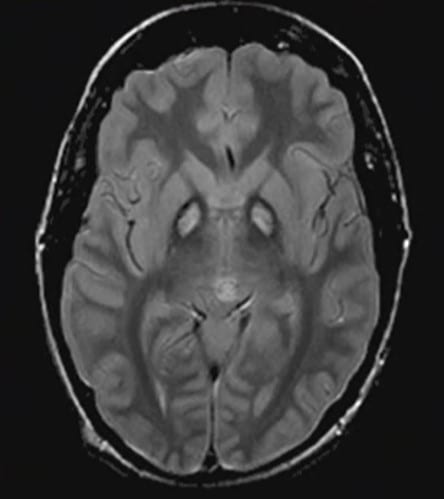
Pantothenate-kinase-associated Neurodegeneration (PKAN)

  • Iron builds up in parts of the brain, leading to progressive parkinsonism, dystonia, dementia, personality change, vision loss, and ultimately death.
  • Typically starts in childhood.
  • Due to a mutation of the pantothenate kinase 2 (PANK2) gene.
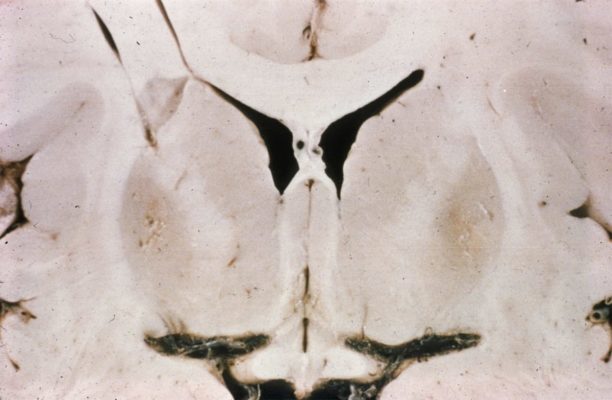
  • Gross Pathology: Brown discoloration of the globus pallidus.  
  • Imaging: Brain MRI will show the “eye of the tiger sign” described as diffuse hypointensity of the bilateral globus pallidus with a small region of hyperintensity.
Toxin-Induced Movement Disorders

Wilson’s Disease

  • Also known as hepatolenticular degeneration.
  • Presents between ages 5 and 35 years with hepatic, neurologic, and psychiatric symptoms.
    • Neurologic symptoms include dysarthria, ataxia, and dystonia.
    • Psychiatric symptoms include depression, irritability, and personality changes.
  • Patients will have high urine copper, low serum copper, and low ceruloplasmin.
  • Genetics: Mutation of the ATP7B gene on chromosome 13 leads to errors of copper transport. Autosomal recessive.
    • Faulty copper transport leads to an accumulation of copper in the liver, brain, kidneys, and cornea.
    • Ceruloplasmin is a protein that transports copper via linkages controlled by ATP7B. With this mutation, copper attachment is impaired. When ceruloplasmin does not have copper attached, it is more quickly targeted for degradation, and thus serum ceruloplasmin levels are low in Wilson’s disease.
    • Remember, ATP7A mutation is linked to Menkes disease.
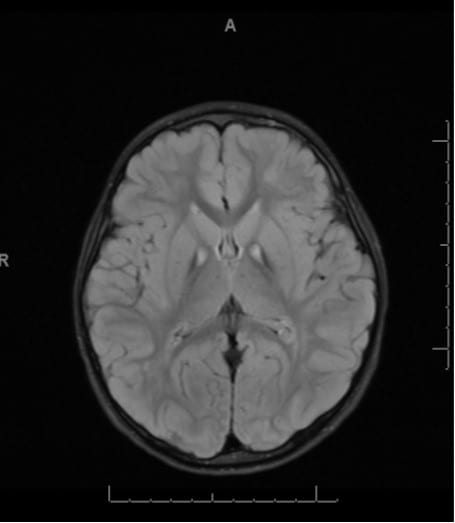
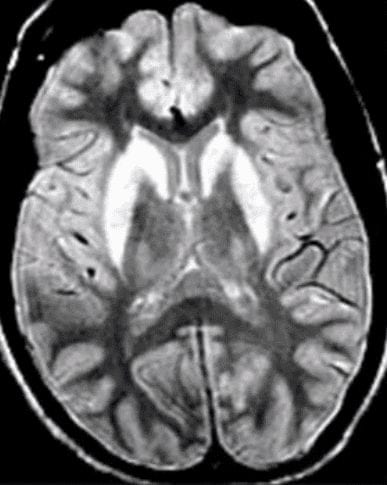
  • Imaging: MRI FLAIR will show hyperintensities of the caudate, putamen, and midbrain.
    • Axial FLAIR cuts of the midbrain will show relative sparing of the red nucleus, also known radiographically as the “face of giant panda” sign.
  • Treatment:
    • Chelation therapy (penicillamine, trientine) is the first-line treatment.
    • Prevention of copper absorption (tetrathiomolybdate, zinc)
    • Low copper diet
    • Liver transplant

Manganese Toxicity

  • Presents as a progressive movement disorder characterized by parkinsonism, ataxia, dysarthria, and bulbar dysfunction.
  • Patients often have psychiatric symptoms (manganese madness) and a characteristic gait of toe walking with flexed elbows (“cock-walk gait“).
  • Patients with chronic liver disease are prone to develop manganese toxicity but so are those with prolonged parenteral nutrition.
    • If manganese toxicity is due to hepatic dysfunction it is called non-Wilsonian hepatocerebral degeneration.
  • Pathophysiology: Decreased excretion of manganese due to portosystemic shunting from hepatic dysfunction vs. increased intake from parenteral nutrition.
  • Imaging: Brain MRI shows T1-hyperintensities of the putamen, globus pallidus, caudate, and cerebellum.
 

Acquired cerebellar ataxia

  • Can be caused by:
    • Chronic alcohol use: Presents with cerebellar atrophy predominantly in the vermis.
    • Phenytoin
    • Benzodiazepines, barbiturates
    • Heavy metals (mercury)
    • Lithium
    • 5-fluorouracil and cytarabine
    • Toluene

References

  1. Ala A, Walker AP, Ashkan K et al. Wilson’s disease. Lancet 2007;369:397‐408.
  2. Beier K, Pratt DP. Sydenham Chorea. [Updated 2021 Jul 25]. In: StatPearls [Internet]. Treasure Island (FL): StatPearls Publishing; 2021 Jan-. Available from: https://www.ncbi.nlm.nih.gov/books/NBK430838/
  3. Bird TD. Hereditary Ataxia Overview. 1998 Oct 28 [Updated 2019 Jul 25]. In: Adam MP, Ardinger HH, Pagon RA, et al., editors. GeneReviews® [Internet]. Seattle (WA): University of Washington, Seattle; 1993-2021. Available from: https://www.ncbi.nlm.nih.gov/books/NBK1138/
  4. Greenberg, David A., et al. Clinical Neurology. McGraw-Hill Medical, 2012.
  5. Iinuma Y, Kubota M, Uchiyama M, Yagi M, Kanada S, Yamazaki S, et al. Whole-blood manganese levels and brain manganese accumulation in children receiving long-term home parenteral nutrition. Ped Surg Int 2003;19:268–72.
  6. Jankovic, Joseph. “Treatment of Hyperkinetic Movement Disorders.” The Lancet Neurology, vol. 8, no. 9, 2009, pp. 844–856., doi:10.1016/s1474-4422(09)70183-8.
  7. Jankovic, J. Hyperkinetic movement disorders in children. Patterson, MC and Firth HV, ed. UpToDate. Waltham, MA: UpToDate Inc. https://www.uptodate.com/contents/hyperkinetic-movement-disorders-in-children (Accessed on May 15th, 2018.)
  8. Katzung, Bertram G. Basic & Clinical Pharmacology. McGraw-Hill, 2018.
  9. Lesage, Suzanne, et al. “LRRK2G2019S As a Cause of Parkinson’s Disease in North African Arabs.” New England Journal of Medicine, vol. 354, no. 4, 2006, pp. 422–423., doi:10.1056/nejmc055540.
  10. Lorish, Thomas R., et al. “Stiff-Man Syndrome Updated.” Mayo Clinic Proceedings, vol. 64, no. 6, 1989, pp. 629–636., doi:10.1016/s0025-6196(12)65339-7.
  11. Rodriguez-Castro, Kryssia Isabel. “Wilson’s Disease: A Review of What We Have Learned.” World Journal of Hepatology, vol. 7, no. 29, 2015, p. 2859., doi:10.4254/wjh.v7.i29.2859.
  12. McKeon, A., & Tracy, J. A. (2017). GAD65 neurological autoimmunity. Muscle & nerve, 56(1), 15-27.
  13. Shin HW, Chung SJ. Drug-induced parkinsonism. J Clin Neurol. 2012;8(1):15-21. doi:10.3988/jcn.2012.8.1.15.
  14. Torres S, Hamilton M, Sanches E, Starovatova P, Gubanova E, Reshetnikova T. Neutralizing antibodies to botulinum neurotoxin type A in aesthetic medicine: five case reports. Clin Cosmet Investig Dermatol. 2013;7:11-17. Published 2013 Dec 18. doi:10.2147/CCID.S51938

Loading table of contents...

Loading table of contents...


Log in to View the Remaining 60-90% of Page Content!


Important: If you signed up after 1/1/2026, or if you opted to migrate your old account to the new & improved platform (same great content, better experience), please log in at nowyouknowmed.com



New here? Get started!

(Or, click here to learn about our institution/group pricing)

1 Month Plan

Full Access Subscription
$142.49
$ 94
99
1 Month
  • Access to full question bank
  • Access to all flashcards
  • Access to all chapters & site content

3 Month Plan

Full Access Subscription
$224.98
$ 144
97
3 Months
  • Access to full question bank
  • Access to all flashcards
  • Access to all chapters & site content

1 Year Plan

Full Access Subscription
$538.47
$ 338
98
1 Year
  • Access to full question bank
  • Access to all flashcards
  • Access to all chapters & site content
Popular